Our site contains ads and uses Amazon affiliate links. We may earn a small commission at no extra cost to you. We know ads can be distracting, and we’re sorry for any inconvenience they cause. It helps us keep the site running. Thanks for your understanding and supporting us!
Cinnamon sugar pumpkin muffins are supposed to have a crackly, crunchy top. Instead, most versions turn gummy and wet under that coating within an hour of cooling.
The usual advice is to dunk the warm muffin fully in melted butter, then roll it in cinnamon sugar. That method looks great in a photo, but it floods the crumb with fat and gives the sugar nowhere to go except straight into a syrupy puddle.
This article breaks down why that happens, then gives you a full recipe built to fix it, with a coating that is still crunchy on day two.
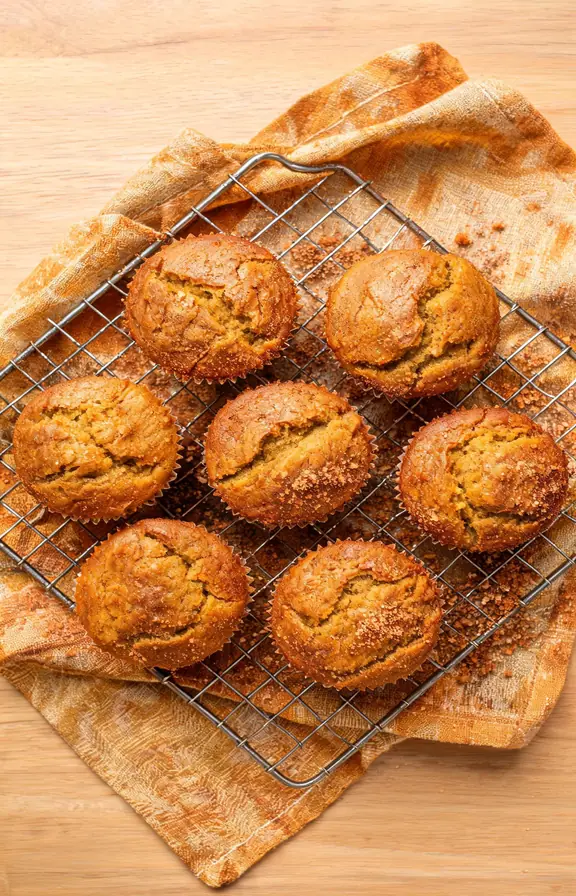
Why the Cinnamon Sugar Crust on Pumpkin Muffins Turns Soft and Wet
Canned pumpkin puree carries a heavy water load, even though it looks thick on a spoon. That water has to go somewhere once the muffin is baked.
Granulated sugar is hygroscopic, meaning it actively pulls in moisture from anything around it. Once you roll a warm, steamy muffin in sugar, the sugar starts absorbing water from the crumb almost immediately.
Within an hour, that crisp coating has dissolved into a thin, wet film instead of staying crunchy. The wetter the muffin top, the faster it happens.
The High Heat Start That Builds a Crackled, Bakery Style Top
Bakery muffins get their tall, domed tops and crackly crust from one trick: a hot oven for the first few minutes. Starting at 425°F causes the outside of the batter to set quickly while the center is still rising.
That fast-setting exterior is exactly the kind of firm surface a cinnamon sugar coating needs to cling to. A muffin baked at a flat, lower temperature the whole time sets more slowly and stays softer on top, which gives the sugar less to hold onto.
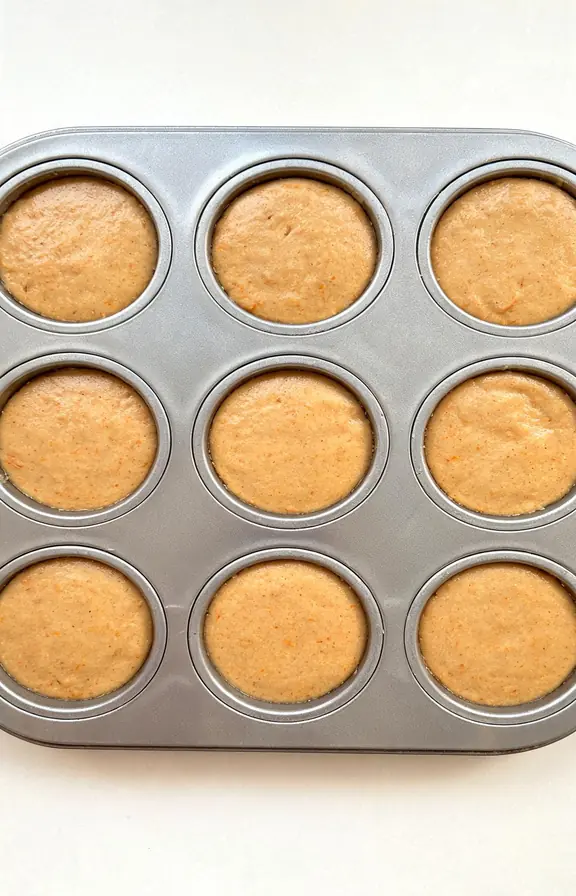
Dropping the oven to 350°F after the first five minutes lets the inside finish cooking without burning that crackled top. This same high-heat-then-lower method is one reason our apple cinnamon muffins with streusel topping hold their crumb structure so well under a heavy topping.
Filling the muffin cups all the way to the rim, instead of the usual two thirds, also helps. More batter volume gives the muffin something to climb, which is what produces that tall, craggy top instead of a flat one.
Room temperature eggs and milk matter here too. Cold ingredients slow the initial rise and waste the short window of high heat that builds the dome.
Do You Need to Blot the Pumpkin Puree for Muffins Too?
Yes, and this step gets skipped more often than any other. Spreading the pumpkin puree between paper towels for a few minutes before mixing pulls out a meaningful amount of surface water.
That small step means less steam escaping through the muffin top as it bakes, which keeps the crackled crust from softening again after it forms. It also means less water for the sugar coating to compete with once it goes on.
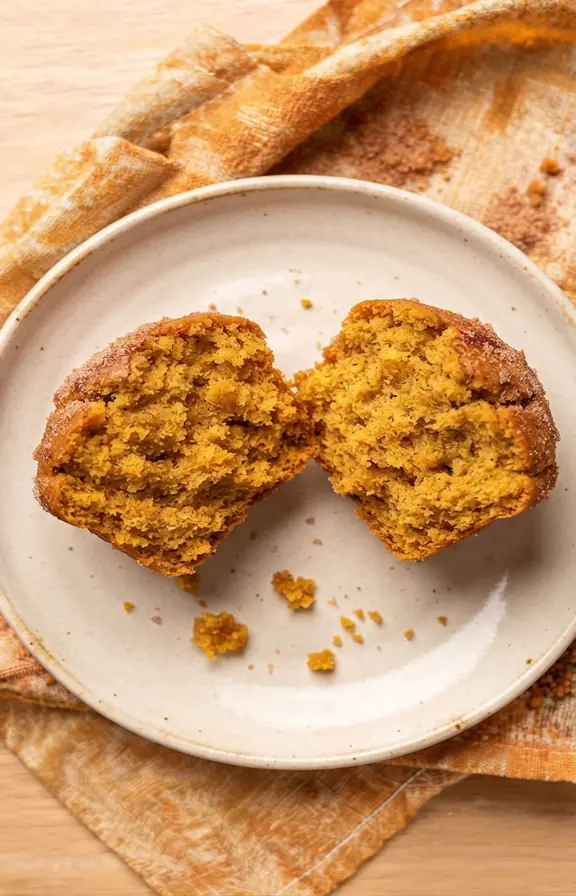
Blotting takes about five minutes and does not change the pumpkin flavor. It only removes the excess water that was never doing the muffin any favors.
If you want a topping that skips the coating step entirely, a swipe of tangy cream cheese frosting works well on these same muffins once they have cooled completely.
Frequently Asked Questions
Cinnamon Sugar Pumpkin Muffins
Tall, domed pumpkin muffins with a crackled cinnamon sugar crust that stays crisp instead of turning wet. Built around blotted pumpkin puree, a high heat start, and a light butter brush instead of a full dunk.
- 12 cup muffin pan
- Paper towels (for blotting pumpkin)
- Two mixing bowls
- Whisk
- Ice cream scoop or large spoon
- Cooling rack
- Shallow bowl (for cinnamon sugar coating)
- Pastry brush
- 210g (1 3/4 cups) all-purpose flour
- 1 teaspoon baking powder
- 1/2 teaspoon baking soda
- 1/2 teaspoon fine sea salt
- 2 teaspoons pumpkin pie spice
- 1/2 teaspoon ground cinnamon
- 150g (3/4 cup) granulated sugar
- 100g (1/2 cup) light brown sugar, packed
- 120ml (1/2 cup) neutral oil
- 2 large eggs, room temperature
- 240g (1 cup) pumpkin puree, blotted
- 60ml (1/4 cup) milk, room temperature
- 1 teaspoon vanilla extract
- 100g (1/2 cup) granulated sugar
- 2 teaspoons ground cinnamon
- 55g (1/4 cup) unsalted butter, melted
- Blot the pumpkin Spread the {0010} pumpkin puree between two layers of paper towels and press gently to absorb excess moisture. Set aside while you prep everything else.
- Preheat and mix dry ingredients Preheat the oven to 425°F (220°C) and line a 12 cup muffin pan with paper liners. Whisk the flour, baking powder, baking soda, salt, pumpkin pie spice, and cinnamon together in a large bowl.
- Mix the wet ingredients In a separate bowl, whisk the granulated sugar, brown sugar, and oil together. Add the eggs, blotted pumpkin puree, milk, and vanilla extract, then whisk until smooth.
- Combine Pour the wet ingredients into the dry ingredients and stir with a spatula just until combined, with a few streaks of flour still visible. Do not overmix.
- Fill the muffin cups Divide the batter evenly among the 12 muffin cups, filling each one all the way to the rim. This extra volume is what builds the tall, domed top.
- Bake with a high heat start Bake at 425°F (220°C) for 5 minutes without opening the oven door. Lower the temperature to 350°F (175°C) and continue baking for 15 to 17 minutes, until a toothpick inserted in the center comes out clean.
- Cool briefly Remove the muffins from the pan right away and set them on a wire rack. Let them sit for about 90 seconds, just long enough to be safe to handle but still warm.
- Brush and coat Whisk the {0014} sugar and {0015} cinnamon together in a shallow bowl. Brush the top of each muffin lightly with {0016} melted butter, then dip just the top into the cinnamon sugar mixture.
- Cool uncovered Return the coated muffins to the wire rack, uncovered, until fully cool. Keeping them uncovered lets any last steam escape instead of softening the crust.
Nutritional values are estimates calculated using standard USDA food composition data. Actual values will vary based on exact ingredient brands, muffin size, and coating amount.