Our site contains ads and uses Amazon affiliate links. We may earn a small commission at no extra cost to you. We know ads can be distracting, and we’re sorry for any inconvenience they cause. It helps us keep the site running. Thanks for your understanding and supporting us!
Most pumpkin spice cake recipes make one of two mistakes. They use only oil and end up with a cake that is moist but bland. Or they use only butter and get flavor without the softness.
This recipe fixes both problems at once. The dual-fat method gives you the best of each ingredient, and every other decision in this recipe supports that goal.
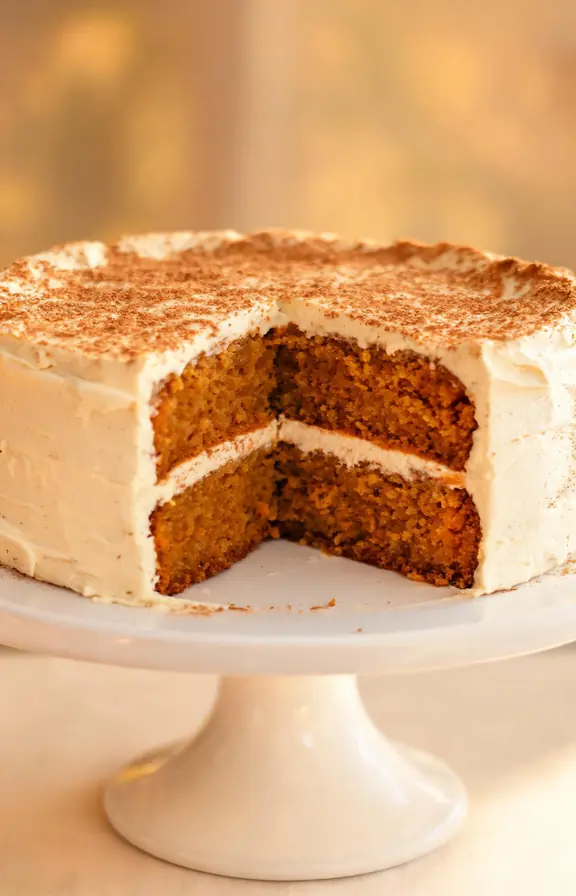
Why the Dual-Fat Method Changes Everything
Butter is approximately 80% fat and 18% water. When butter melts during baking, that water turns to steam and helps create lift. But butter also firms up when cold, which is why butter-only cakes feel dry and tight straight from the fridge.
Neutral oil is 100% fat with no water. It does not firm up when cold. A cake made with oil alone stays soft at refrigerator temperature, but it loses the flavor dimension that butter provides.
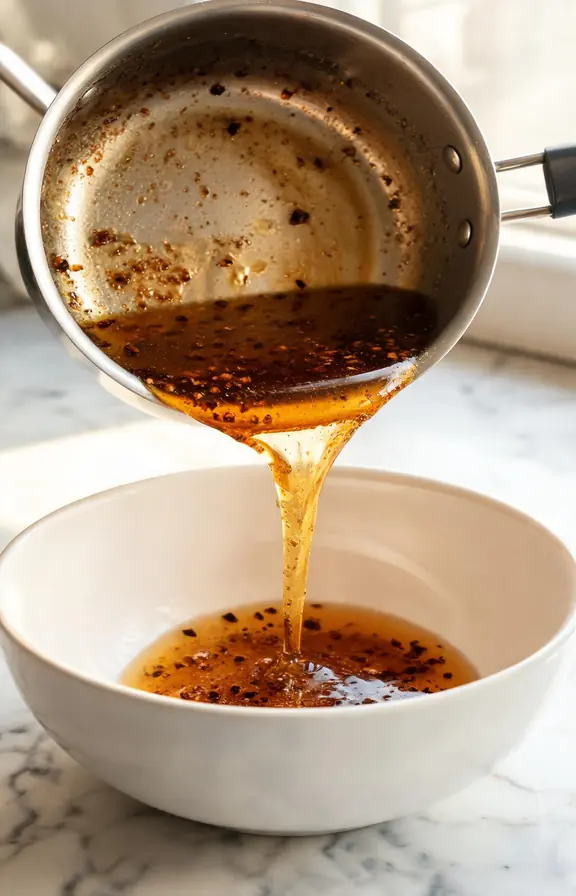
Brown butter solves the flavor problem completely. Browning butter removes most of its water through evaporation and converts the milk proteins into hundreds of aromatic compounds through the Maillard reaction.
The result is a fat that tastes like toasted hazelnuts with a faint caramel note. That flavor sinks into the pumpkin batter and amplifies the warm spices in a way that plain melted butter simply cannot.
How to Handle Pumpkin Puree for the Best Texture
Canned pumpkin puree is the right choice for this recipe. Fresh pumpkin varies too much in moisture content and can throw off the flour-to-liquid ratio significantly.
Always use pure pumpkin puree, not pumpkin pie filling, which contains added sugar and pre-mixed spices that clash with your custom spice blend.
One step that almost no recipe mentions: drain your pumpkin puree before measuring. Spoon it into a fine mesh strainer over a bowl for five minutes.
You will see water pooling at the bottom. This small step removes excess moisture and gives the batter a tighter, more controlled crumb.
Building the Spice Blend Correctly
Pumpkin pie spice from a jar is convenient, but it tends to be cinnamon-heavy and light on ginger and cloves. Those are the two spices that give pumpkin cake its depth.
This recipe uses a custom ratio: more ground ginger than most recipes call for, a full quarter teaspoon of cloves, and a small amount of black pepper. The pepper does not make the cake taste spicy.
It sharpens the other spices and prevents the flavor from tasting flat on the back of the palate. This is the detail that separates a memorable pumpkin spice cake from a forgettable one.
Research on cinnamon’s role in baked goods confirms that its key aromatic compound, cinnamaldehyde, contributes both flavor and texture effects when baked into cake batter.
See this study on cinnamon extract in cake formulations from the National Institutes of Health for more on how it interacts with fat and structure in baked goods.
Buttermilk and Why You Should Not Skip It
Buttermilk does two things in this batter. First, its acidity tenderizes the gluten strands, which means a softer, more delicate crumb that does not bounce back rubbery when you bite into it.
Second, the additional acid activates the baking soda more completely, giving you better lift without needing extra leavening.
If you do not have buttermilk, make your own in two minutes. Add one tablespoon of white vinegar or lemon juice to a measuring cup, then fill it to the half-cup line with regular whole milk.
Let it sit for five minutes. The milk will curdle slightly and thicken. Use it exactly as you would buttermilk. It works identically in this recipe.
For more tips on achieving the right batter consistency and frosting for your fall cakes, the guide to making silky cream cheese frosting that never turns runny on this site covers the exact ratios and technique used in the frosting below.
Making the Maple Cream Cheese Frosting Stable Enough to Stack
Standard cream cheese frosting is notoriously unstable. It turns runny when the cream cheese is too warm, too soft, or beaten for too long. This version stays firm enough to stack two tall layers and hold its shape for hours at room temperature.
The key is temperature and order of operations. Start with cold, full-fat block cream cheese, not the tub kind. Beat the butter first until it is pale and fluffy, then add the cream cheese.
Beating the butter alone first creates a stable fat network before the cream cheese goes in. If you add both at the same time, the softer cream cheese weakens the structure immediately and you end up chasing a runny mess.
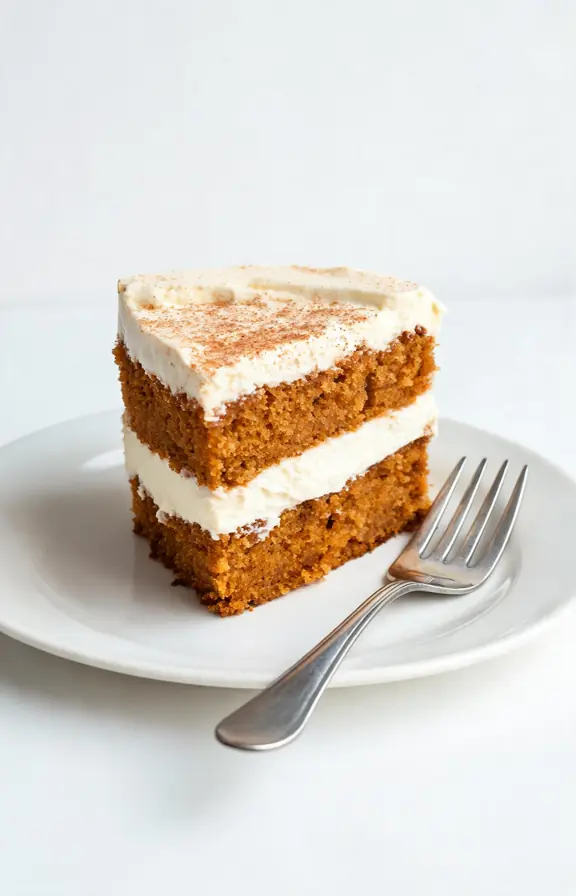
The maple syrup goes in last, a tablespoon at a time, while the mixer runs on low. Pure maple syrup adds liquid to the frosting, so add it slowly and stop when the frosting reaches the consistency you want.
If it gets too soft, refrigerate the frosting for 15 minutes before spreading. It firms up quickly and goes back to being perfectly spreadable.
If you enjoy layered fall desserts and want another way to use this frosting style, the recipe for light whipped cream frosting that holds its shape all day also pairs beautifully with pumpkin and spiced cakes.
How to Get Clean, Even Cake Layers Every Time
Divide the batter by weight, not by eye. Put your cake pan on a kitchen scale, zero it out, then pour half the total batter weight into each pan. Layers divided by eye are almost always uneven, and an uneven layer cake leans.
Do not skip the parchment circle at the bottom of each pan. Pumpkin cake is moist and sticky.
Without parchment, the bottom of the layer will tear when you flip it out, and no amount of frosting can hide a torn crumb. Grease the sides of the pan with butter, press a parchment round into the bottom, and grease the parchment too.
Cool the layers completely before trimming and frosting. Completely means cold to the touch, not just room temperature.
Warm cake melts cream cheese frosting instantly. An hour on a wire rack, or 20 minutes on the rack followed by 20 minutes in the refrigerator, gets you there efficiently.
IMAGE_SLOT_3Frequently Asked Questions
Pumpkin Spice Cake with Maple Cream Cheese Frosting
Two-layer pumpkin cake made with brown butter and oil for the most moist, tender crumb. Custom spice blend with extra ginger and a touch of black pepper. Maple cream cheese frosting that stays stable at room temperature.
- Two 9-inch round cake pans
- Parchment paper rounds
- Small saucepan (for browning butter)
- Fine mesh strainer (for draining pumpkin)
- Two large mixing bowls
- Whisk and rubber spatula
- Kitchen scale (for dividing batter evenly)
- Wire cooling rack
- Stand mixer or hand mixer (for frosting)
- Offset spatula (for spreading frosting)
- 6 tablespoons (85g) unsalted butter (for browning)
- 1/3 cup (75ml) neutral oil (vegetable or canola)
- 1 cup (215g) packed light brown sugar
- 1/2 cup (100g) granulated sugar
- 3 large eggs, room temperature
- 1 and 1/2 cups (340g) canned pumpkin puree, strained 5 minutes
- 1/2 cup (120ml) buttermilk, room temperature
- 1 teaspoon pure vanilla extract
- 2 cups (250g) all-purpose flour
- 2 teaspoons baking powder
- 1 teaspoon baking soda
- 1/2 teaspoon fine salt
- 2 teaspoons ground cinnamon
- 1 and 1/2 teaspoons ground ginger
- 1/4 teaspoon ground cloves
- 1/4 teaspoon ground nutmeg
- 1/8 teaspoon freshly ground black pepper
- 1 cup (226g) unsalted butter, softened to room temperature
- 8 oz (226g) full-fat block cream cheese, cold
- 3 and 1/2 cups (420g) powdered sugar, sifted
- 2 tablespoons (30ml) pure maple syrup
- 1/2 teaspoon ground cinnamon
- Pinch of fine salt
- Brown the butter Melt 6 tablespoons of butter in a light-colored saucepan over medium heat. Stir frequently. The butter will foam, then turn lemon yellow, then golden, then a deep amber with brown specks at the bottom. Remove from heat immediately when you smell toasted nuts. Pour into a heatproof bowl and let it cool completely to room temperature, at least 20 minutes. Do not rush this step. Hot brown butter will partially cook your eggs in the next step.
- Drain the pumpkin and prep dry ingredients Spoon the pumpkin puree into a fine mesh strainer set over a bowl. Let it drain for 5 minutes while you work on the other components. Meanwhile, whisk together the flour, baking powder, baking soda, salt, cinnamon, ginger, cloves, nutmeg, and black pepper in a large bowl until fully combined. Set aside. Preheat the oven to 350°F (175°C). Grease two 9-inch round pans, line with parchment rounds, and grease the parchment.
- Mix the wet ingredients In a large bowl, whisk together the cooled brown butter and neutral oil until combined. Add the brown sugar and granulated sugar and whisk until smooth. Add the eggs one at a time, whisking well after each. Stir in the drained pumpkin puree, buttermilk, and vanilla extract until fully blended. The mixture should look glossy, smooth, and deep orange.
- Combine and divide the batter Add the flour mixture to the wet ingredients in two additions, folding gently with a rubber spatula each time. Stop folding the moment no dry streaks remain. Overmixing after adding flour toughens the crumb. The batter will be thick and smooth. Place each cake pan on a kitchen scale, zero it out, and divide the batter evenly by weight between the two pans. Smooth the tops with a spatula.
- Bake the cake layers Bake at 350°F for 30 to 34 minutes. Check at the 30-minute mark. The layers are done when the tops spring back immediately when pressed in the center, the edges have pulled away slightly from the pan, and a toothpick inserted in the center comes out clean or with just a few dry crumbs. Remove from oven and cool in the pans on wire racks for 15 minutes. Then turn out onto the racks, peel away the parchment, and cool completely before frosting, about 1 hour.
- Make the maple cream cheese frosting In the bowl of a stand mixer fitted with the paddle attachment (or using a hand mixer), beat the softened butter on medium-high speed for 3 minutes until pale and fluffy. Add the cold cream cheese and beat for 2 more minutes until fully smooth. Do not overbeat once the cream cheese goes in. On low speed, add the sifted powdered sugar in three additions. Add the maple syrup, cinnamon, and salt. Increase to medium speed and beat for 1 minute until light and creamy. If the frosting feels too soft, refrigerate for 15 minutes before using.
- Trim, stack, and frost Use a serrated knife to level the top of each layer if it has domed. Place one layer on a cake stand or plate. Spread about one-third of the frosting evenly across the top using an offset spatula, all the way to the edges. Place the second layer on top, cut side down, and press gently to adhere. Apply the remaining frosting to the top and sides. For a rustic finish, use the back of a spoon to create soft swirls. Dust lightly with a pinch of cinnamon or pumpkin pie spice for garnish.
Nutritional values are estimates calculated using standard USDA food composition data. Actual values will vary based on the brand of canned pumpkin used, the amount of frosting applied per slice, and specific ingredient brands.