Our site contains ads and uses Amazon affiliate links. We may earn a small commission at no extra cost to you. We know ads can be distracting, and we’re sorry for any inconvenience they cause. It helps us keep the site running. Thanks for your understanding and supporting us!
Recipe at a Glance
- Prep Time: 10 minutes
- Cook Time: 15 minutes
- Total Time: 25 minutes
- Servings: 4 servings (8-10 pancakes)
- Diet Type: Vegetarian
- Cuisine: American
Have you struggled to make pancakes that are truly fluffy instead of dense and rubbery?
The secret lies in using buttermilk and proper technique rather than overmixing your batter.
Your mornings are about to transform with pancakes that have a tender crumb, golden-brown exterior, and a cloud-like texture that melts on your tongue.
These fluffy buttermilk pancakes are easier to master than you think, and once you learn the tricks, you’ll be making them every weekend.
The aroma of fresh pancakes sizzling on the griddle will have your family rushing to the kitchen in anticipation.
Why This Recipe Stands Out
- Buttermilk creates a tender crumb through its acidity, which reacts with baking soda to produce extra lift and fluffiness.
- The combination of baking powder and baking soda ensures maximum rise and a light, airy interior.
- Melted butter mixed into the batter creates richness, while an egg yolk adds structure and moisture.
- Separating and whipping egg whites before folding them in creates additional volume and an impossibly fluffy texture.
- This recipe requires minimal ingredients you likely already have in your kitchen.
- The pancakes stay soft and tender even after cooling, unlike many recipes that become tough.
Tips for Success
- Use real buttermilk, not milk with vinegar added, as it produces better results and superior flavor.
- Do not overmix the batter; lumps are actually desirable and lead to fluffier pancakes.
- Let the batter rest for 5 minutes before cooking to allow the leavening agents to activate.
- Use a griddle or skillet preheated to medium heat for even, golden-brown cooking.
- Melt your butter before adding it to the batter for smooth incorporation and even distribution.
- Separate your eggs ahead of time and let egg whites come to room temperature for maximum volume when whipped.
- Fold the whipped egg whites gently into the batter using a rubber spatula with an underhand motion.
- Flip pancakes only once, and only when you see bubbles forming on the surface and edges look set.
- Keep finished pancakes warm on a plate in a 200-degree oven while you cook the remaining batches.
Common Mistakes to Avoid
- Overmixing the batter develops gluten and creates tough, dense pancakes instead of fluffy ones.
- Using expired baking powder or baking soda means your pancakes won’t rise properly.
- Cooking on heat that is too high burns the outside before the inside cooks through.
- Flipping pancakes multiple times or too early causes them to deflate and become flat.
- Adding too much flour makes the batter thick and results in heavy, gluey pancakes.
- Using cold buttermilk straight from the refrigerator can result in uneven cooking.
- Skipping the egg white separation step means you miss out on the extra fluffiness this technique provides.
Creative Serving Ideas
- Stack your pancakes and top with fresh berries, whipped cream, and a drizzle of maple syrup for a classic presentation.
- Create a pancake sundae by topping warm pancakes with vanilla ice cream, chocolate sauce, and crushed nuts.
- Serve pancakes alongside crispy bacon or sausage links for a complete breakfast spread.
- Layer pancakes with Greek yogurt and granola between each layer for added protein and crunch.
- Make a pancake breakfast sandwich using two pancakes with scrambled eggs and cheese in between.
- Top with sautéed cinnamon apples, pecans, and a dollop of whipped cream for a fall-inspired twist.
- Dust finished pancakes with powdered sugar and serve with fresh lemon wedges for brightness.
- Create a pancake board with multiple toppings: jams, nut butters, fresh fruit, chocolate chips, and whipped cream.
Frequently Asked Questions
Can I make the batter ahead of time?
Yes, you can prepare the dry ingredients the night before and store them in an airtight container.
Mix the wet ingredients separately just before cooking, then combine them right before you start cooking pancakes.
This approach ensures maximum fluffiness since the leavening agents work best when fresh.
What if I don’t have buttermilk?
Create a buttermilk substitute by mixing one cup of regular milk with one tablespoon of lemon juice or white vinegar and letting it sit for five minutes.
This acidic mixture replicates buttermilk’s behavior in the recipe. The flavor won’t be quite identical, but the texture and fluffiness will be very similar.
Why are my pancakes coming out dense?
Dense pancakes usually result from overmixing the batter, which develops gluten and toughens the final product.
Another common cause is old baking powder or baking soda that has lost its potency.
Make sure to mix gently until just combined, with some small lumps remaining in the batter.
Can I freeze leftover pancakes?
Absolutely, freezing pancakes is an excellent way to meal prep for busy mornings.
Let them cool completely, stack them with parchment paper between each pancake, and freeze in an airtight container for up to two months.
Simply pop them in the toaster or toaster oven to reheat them until warm and crispy.
How do I keep pancakes warm while cooking a large batch?
Place cooked pancakes on a baking sheet in a 200-degree oven while you finish cooking the remaining batter.
This gentle heat keeps them warm without drying them out or making them tough.
You can stack them directly on top of each other since the low temperature prevents condensation buildup.
What’s the best way to flip pancakes?
Wait until bubbles form all over the surface of the pancake and the edges look slightly set and dry before flipping.
Use a wide, thin spatula and flip with a quick, confident motion in one fluid action.
Flip only once for the fluffiest results, as multiple flips deflate the pancakes.
Ingredients You’ll Need
- 1 cup all-purpose flour
- 2 tablespoons granulated sugar
- 2 teaspoons baking powder
- 1 teaspoon baking soda
- 1/2 teaspoon salt
- 1 cup buttermilk
- 2 tablespoons melted butter, plus more for the griddle
- 1 large egg, separated into yolk and white
- 1 teaspoon vanilla extract
Tools to Use
- Large mixing bowl
- Medium mixing bowl
- Small mixing bowl
- Whisk
- Measuring cups and spoons
- Rubber spatula
- Electric mixer or whisk for beating egg whites
- Griddle or non-stick skillet
- Wide, thin spatula for flipping
- Ladle or 1/4-cup measure for portioning batter
How to Make the Fluffy Buttermilk Pancakes
Step-1: Combine Dry Ingredients
In a large mixing bowl, whisk together the flour, sugar, baking powder, baking soda, and salt.
Make sure all the dry ingredients are evenly distributed throughout, breaking up any lumps of baking soda.
Step-2: Prepare Wet Ingredients
In a separate medium mixing bowl, whisk together the buttermilk, melted butter, egg yolk, and vanilla extract.
Stir until the mixture is smooth and well combined.
Step-3: Whip the Egg White
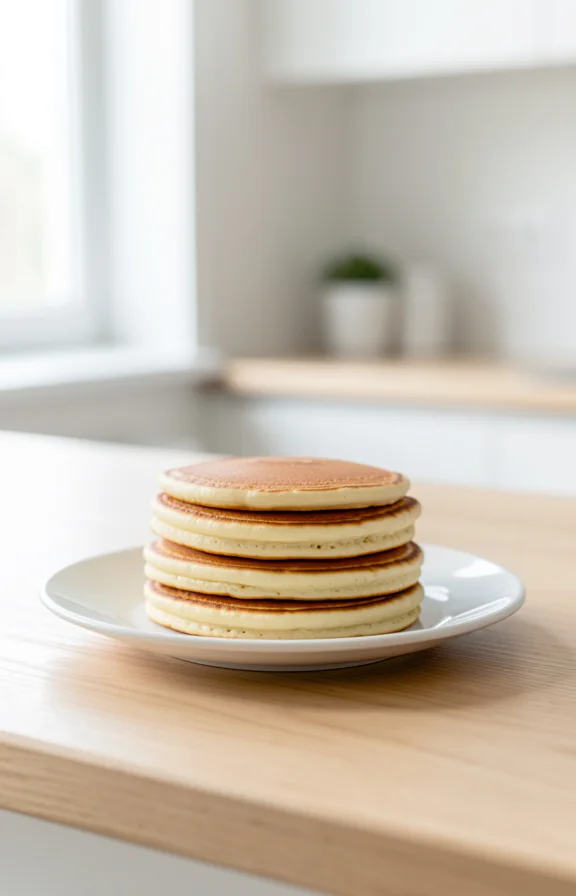
In a small, clean mixing bowl, beat the egg white using an electric mixer on high speed until stiff peaks form.
This takes about 2-3 minutes and creates the extra fluffiness that makes these pancakes special.
Step-4: Combine Wet and Dry Mixtures
Pour the wet ingredients into the dry ingredients and stir gently with a rubber spatula until just combined.
Do not overmix; the batter should still have some lumps visible.
Step-5: Fold in Whipped Egg White
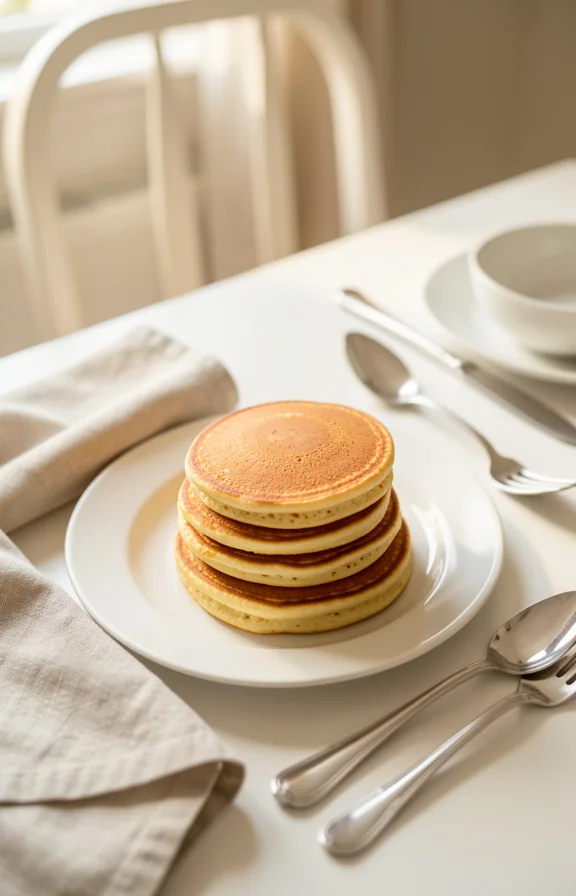
Gently fold the whipped egg white into the batter using a rubber spatula with an underhand folding motion.
Stop folding as soon as no white streaks remain, being careful not to deflate the airy mixture.
Step-6: Rest the Batter
Let the batter sit on the counter for 5 minutes to allow the leavening agents to activate.
This resting period ensures maximum rise and fluffiness during cooking.
Step-7: Heat Your Griddle
Place a griddle or non-stick skillet over medium heat and allow it to preheat for 2-3 minutes.
Lightly butter the griddle surface using a paper towel or butter wrapper.
Step-8: Test the Griddle Temperature
Sprinkle a few drops of water on the griddle surface; they should sizzle and evaporate immediately.
This indicates the griddle has reached the perfect temperature for cooking pancakes.
Step-9: Pour the Batter
Using a ladle or 1/4-cup measuring cup, pour batter onto the griddle, leaving space between each pancake.
Pour the batter in a circular motion to create evenly shaped pancakes.
Step-10: Watch for Bubbles
Cook the pancakes without moving them until bubbles form across the entire top surface.
The edges will also begin to look set and slightly dry when ready to flip.
Step-11: Flip and Cook the Second Side
Using a wide, thin spatula, flip each pancake with one confident, quick motion.
Cook for an additional 1-2 minutes until the bottom is golden brown and the pancake is cooked through.
Step-12: Keep Warm and Serve
Transfer cooked pancakes to a baking sheet and keep them warm in a 200-degree oven.
Repeat steps 9-11 with the remaining batter until all pancakes are cooked, then serve immediately with your favorite toppings.
Nutritional Information
Per serving (approximately 2 pancakes):
- Calories: 280
- Protein: 7g
- Fat: 9g
- Carbohydrates: 42g
- Fiber: 1g
- Sodium: 520mg,
- Sugar: 6g
Note: Nutritional values are approximate and may vary based on specific ingredient brands used.