Our site contains ads and uses Amazon affiliate links. We may earn a small commission at no extra cost to you. We know ads can be distracting, and we’re sorry for any inconvenience they cause. It helps us keep the site running. Thanks for your understanding and supporting us!
Gluten free pumpkin muffins fail in a very specific way. The edges bake fine, but the middle stays wet, dense, or sinks into a crater once the pan comes out of the oven.
That is not a flour problem or an oven problem. It is a moisture and structure problem that almost no recipe explains.
This article breaks down the actual mechanics behind that sunken center, then walks through a recipe built around fixing it, so your muffins hold a tall dome and a tender, fully set crumb every time.
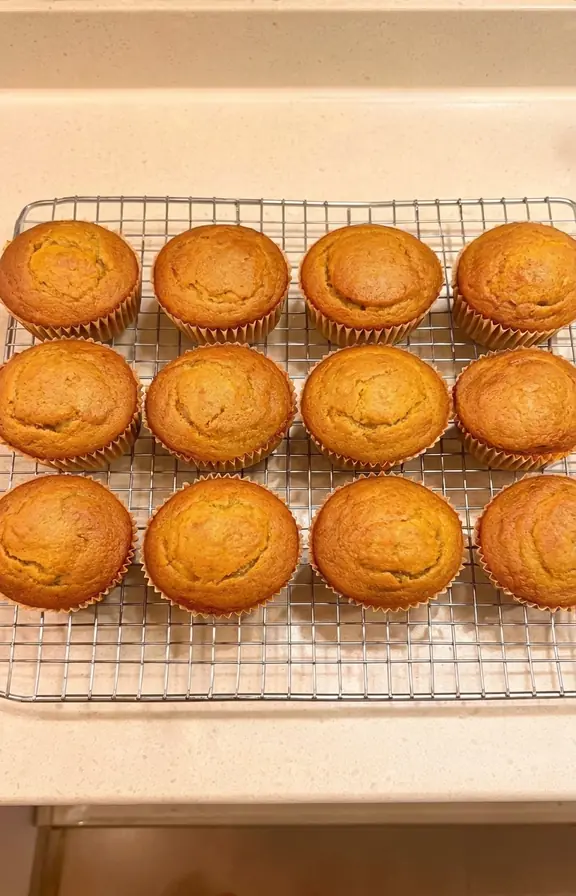
Why Gluten Free Pumpkin Muffins Sink or Turn Gummy
Regular flour has gluten, a stretchy protein network that traps steam and holds a muffin’s shape while it bakes and cools. Gluten free flour blends have no such network.
Instead, they rely on starches like rice, tapioca, or potato starch to provide structure. Those starches only firm up once they absorb enough liquid and reach a high enough temperature to set, a process called gelatinization.
Pumpkin puree complicates this further because it is mostly water. Canned brands are not consistent, and some cans run noticeably wetter than others straight out of the can.
The Weighed-Pumpkin Method That Fixes Moisture Variance
Weighing your pumpkin puree instead of measuring it by volume removes the guesswork entirely. This recipe calls for exactly 226 grams, which keeps the moisture level the same no matter which brand of canned pumpkin sits in your pantry.
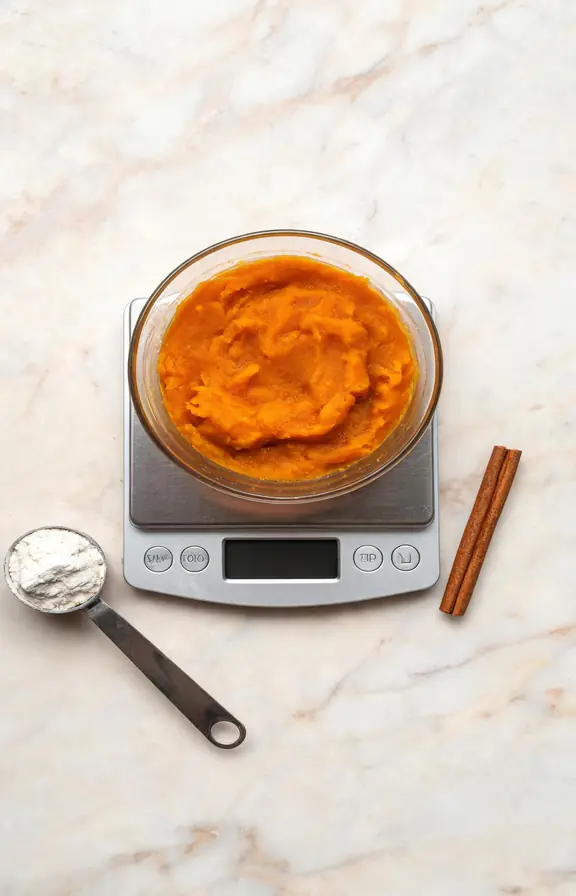
A kitchen scale takes ten seconds to use and is far more reliable than a measuring cup, since packed puree can vary by several tablespoons of liquid between brands even at the same cup measurement.
Xanthan Gum: Why More Is Not Better
Xanthan gum mimics some of the elasticity that gluten would normally provide, and most quality gluten free blends already include it.
Bakers often add extra xanthan gum on top of a blend that already contains it, thinking more will guarantee better structure. It does the opposite, tightening the crumb into something dense and slightly rubbery instead of soft.
Check your flour blend’s label first. If it already lists xanthan gum, skip the extra half teaspoon this recipe calls for.
If your blend has none, keep the amount modest, since roughly a quarter to a half teaspoon per cup of flour is enough to build structure without overdoing it.
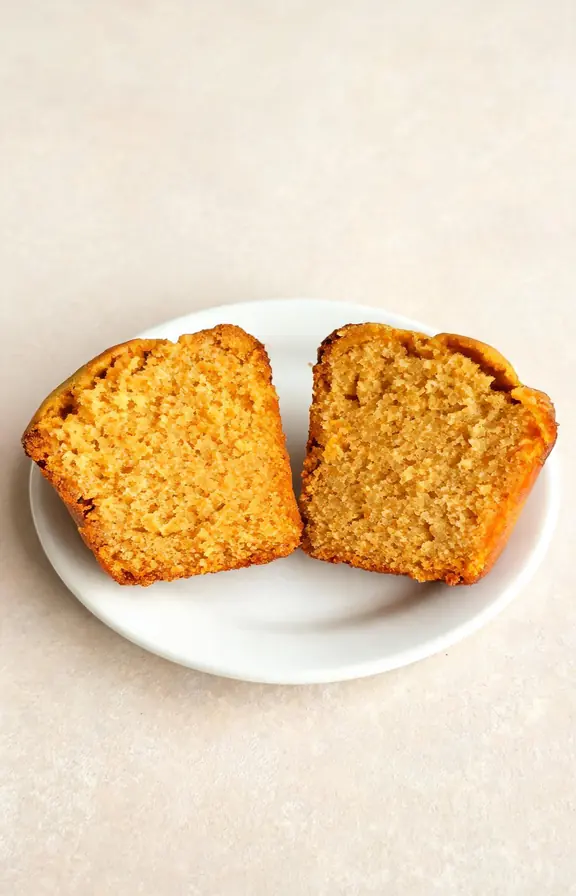
Batter Rest Time: The Step Every Recipe Skips
Most recipes tell you to scoop the batter and bake it immediately. That is exactly when the starches have had the least time to absorb any liquid.
Letting the mixed batter rest for 10 minutes before baking gives those starch granules a head start, so they begin softening and absorbing moisture before they ever hit the oven’s heat.
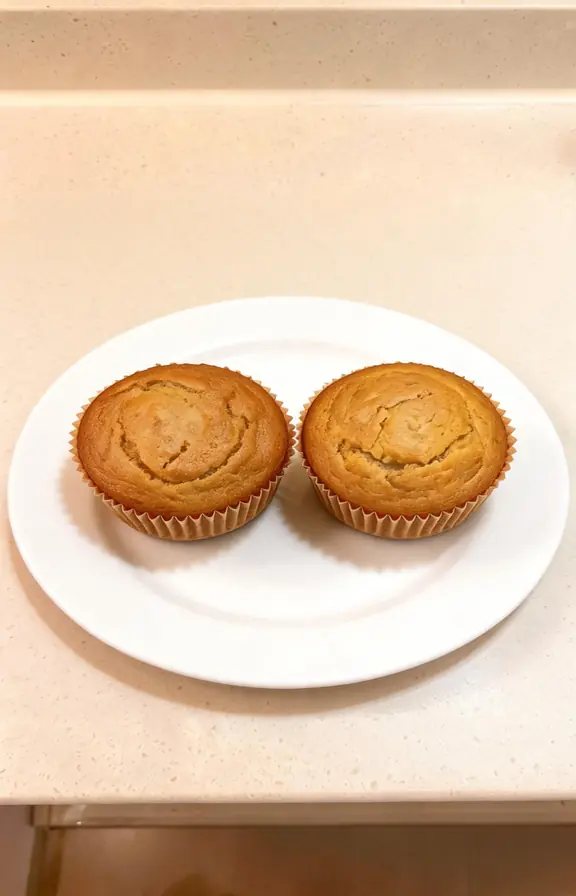
This single pause noticeably reduces gummy centers and helps the muffins rise into a taller, more even dome, since the batter is thicker and better hydrated by the time it goes in.
Frequently Asked Questions
Gluten Free Pumpkin Muffins
Soft, evenly domed pumpkin muffins with warm spice flavor, built around weighed pumpkin puree and a short batter rest so the centers set fully instead of sinking.
- 12-cup muffin tin
- Paper liners
- Kitchen scale
- Two mixing bowls
- Whisk
- Rubber spatula
- Cookie scoop
- Wire cooling rack
- 300g (2 1/4 cups) gluten free 1:1 baking flour blend
- 1/2 teaspoon xanthan gum, only if your blend does not already include it
- 2 teaspoons baking powder
- 1/2 teaspoon baking soda
- 1/2 teaspoon fine sea salt
- 2 teaspoons pumpkin pie spice
- 1 teaspoon ground cinnamon
- 226g (1 cup) canned pumpkin puree, weighed
- 2 large eggs, room temperature
- 150g (3/4 cup) light brown sugar, packed
- 100g (1/2 cup) granulated sugar
- 120ml (1/2 cup) neutral oil
- 1 teaspoon vanilla extract
- 60ml (1/4 cup) whole milk, room temperature
- Prep the pan Preheat the oven to 350°F (175°C). Line a 12-cup muffin tin with paper liners.
- Weigh the pumpkin Weigh out exactly 226g (1 cup) of canned pumpkin puree on a kitchen scale. If it looks watery, press it gently between paper towels for a minute before weighing.
- Mix the dry ingredients In a medium bowl, whisk together the flour blend, xanthan gum if needed, baking powder, baking soda, salt, pumpkin pie spice, and cinnamon. Set aside.
- Mix the wet ingredients In a large bowl, whisk the weighed pumpkin, eggs, brown sugar, granulated sugar, oil, vanilla, and milk until smooth and fully combined.
- Combine and rest the batter Add the dry ingredients to the wet ingredients and fold with a spatula just until no dry streaks remain. Let the batter rest for 10 minutes at room temperature before scooping. This rest step is what allows the starches to hydrate properly.
- Scoop the batter Using a cookie scoop, divide the batter evenly between the 12 lined muffin cups, filling each about three-quarters full.
- Bake Bake for 20 to 23 minutes, until a toothpick inserted into the center comes out clean and the tops spring back when pressed gently. Do not open the oven before the 18 minute mark.
- Cool Cool the muffins in the pan for 5 minutes, then transfer to a wire rack to cool completely before storing.
Nutritional values are estimates calculated using standard USDA food composition data. Actual values will vary based on exact flour blend, pumpkin brand, and muffin size.