Our site contains ads and uses Amazon affiliate links. We may earn a small commission at no extra cost to you. We know ads can be distracting, and we’re sorry for any inconvenience they cause. It helps us keep the site running. Thanks for your understanding and supporting us!
Recipe at a Glance
- Prep Time: 15 minutes
- Cook Time: 50 minutes
- Total Time: 65 minutes
- Servings: 8 slices
- Diet Type: Vegetarian
- Cuisine: American
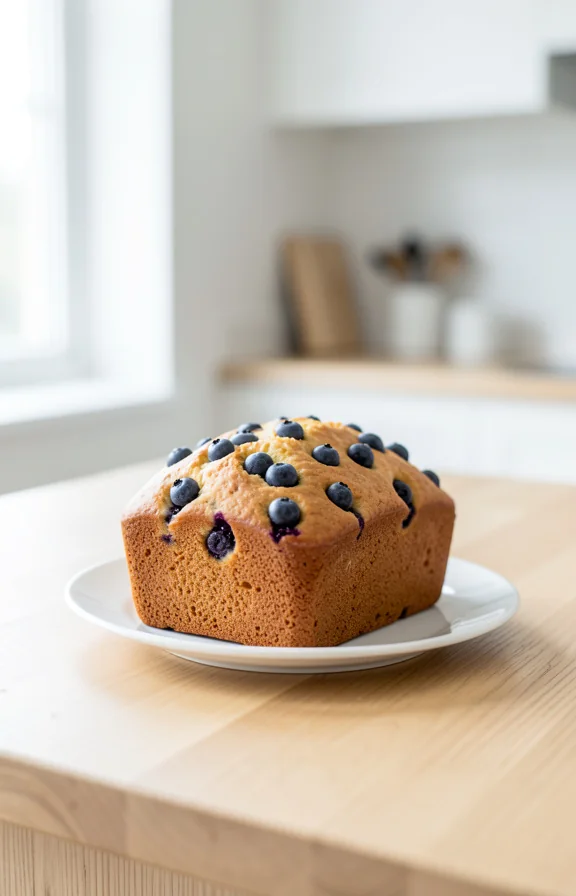
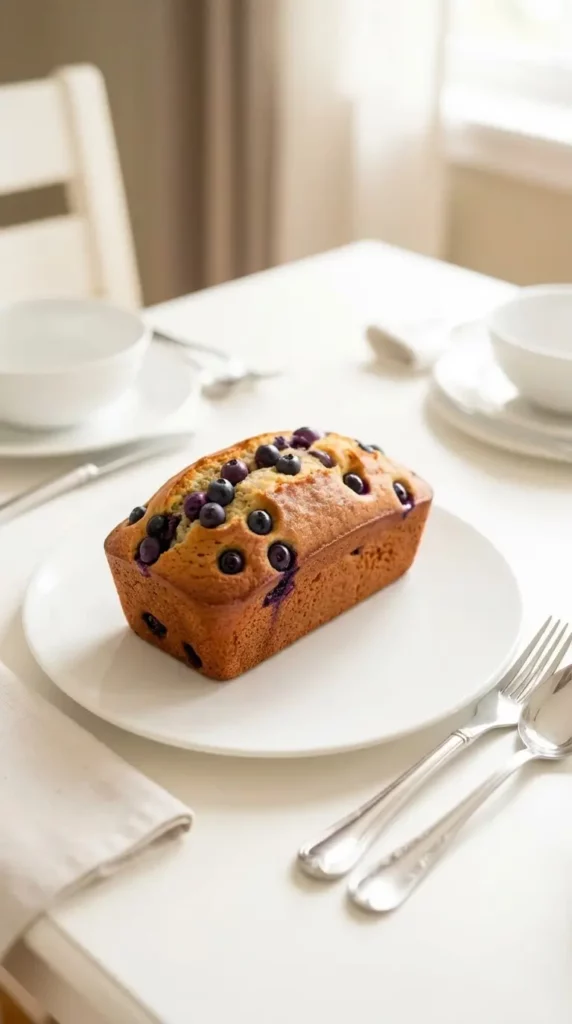
Making sourdough discard blueberry lemon loaf feels like discovering a secret that veteran bakers have been keeping from you.
The aroma that fills your kitchen as this cake bakes is intoxicating.
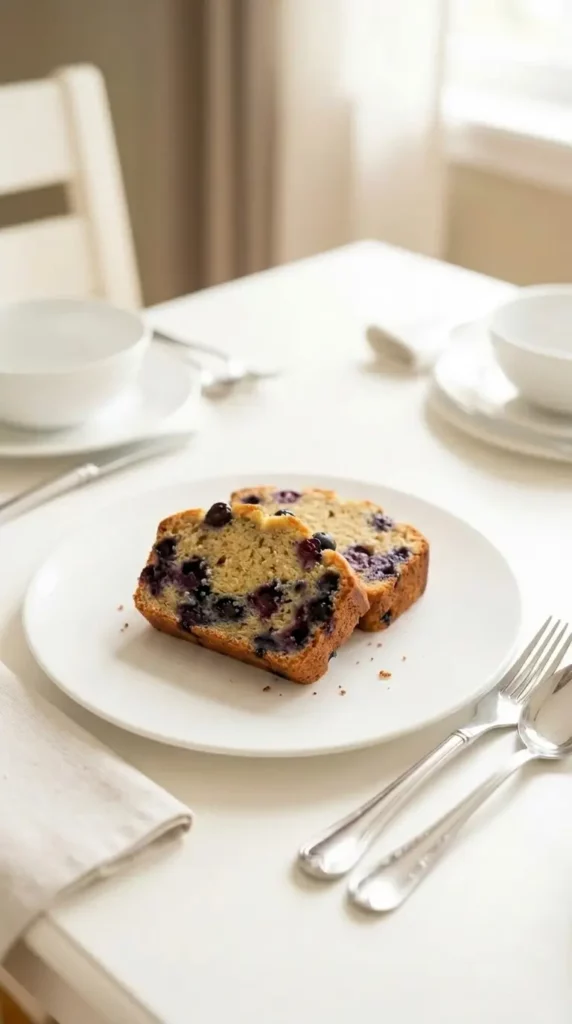
Bright lemon zest mingles with warm vanilla and buttery richness, while pockets of tart blueberries release their juice throughout.
This recipe solves the problem of what to do with sourdough starter you’d normally toss away.
It transforms culinary waste into a tender crumb with a subtle tang that balances the sweet-tart filling.
Your first loaf will emerge golden and fragrant, with a fine-grained interior that stays moist for days.
Beginners love this recipe because it requires no special sourdough skills, no long fermentation, and no intimidating techniques.
It’s simply mixing, baking, and enjoying.
Why This Recipe Stands Out
- The sourdough discard adds a subtle fermented tang that deepens flavor without making the loaf. Taste sour or yeasty, creating complexity that plain cake cannot match.
- Blueberries are tossed in cornstarch before folding in, which prevents them from bleeding into the batter. It also keeps their shape and color vibrant throughout baking.
- Lemon zest is bloomed in melted butter at the start, releasing essential oils and infusing the entire loaf with bright citrus flavor rather than just a hint of it.
- The wet-to-dry ratio produces a loaf that stays tender and moist for up to four days, avoiding the dry, crumbly texture of many homemade quick breads.
- This recipe uses one bowl for wet ingredients and one for dry, cutting cleanup time and reducing the number of dishes while keeping mixing straightforward for beginners.
Tips for Success
- Measure your sourdough discard at room temperature and stir it well before measuring. A cold or freshly fed starter will give inconsistent results because the texture and density differ with age.
- Use fresh lemon zest, not bottled juice or powder, and zest it directly over the melted butter. The oils stay concentrated and don’t sit exposed to air for long.
- Coat your blueberries in cornstarch while they are completely dry. If any moisture clings to them, the cornstarch will clump and won’t coat evenly, leading to juice bleeding into the batter.
- Do not overmix the wet and dry ingredients. Stir just until no flour streaks remain visible. Overmixing activates gluten and produces a dense, tough crumb rather than the tender interior this loaf should have.
- Check doneness at 48 minutes with a toothpick inserted into the center. Every oven bakes differently, and checking early prevents over-baking while ensuring the center is truly set.
Common Mistakes to Avoid
- Using sourdough discard that is too thick or stiff causes a dense, gluey crumb. Because the batter lacks enough liquid to create the light, tender structure the recipe needs.
- Folding in blueberries without coating them in cornstarch causes them to release juice into the batter. Turning the crumb gray or blue-streaked and creating soggy pockets instead of distinct berry bursts.
- Adding melted butter that is too hot to the other wet ingredients can begin cooking the eggs. It creates tiny scrambled bits that prevent proper emulsification and result in a grainy texture.
- Overfilling the loaf pan above the three-quarter line causes the batter to overflow in the oven. Burning on the sides of the pan and preventing the loaf from rising evenly.
- Skipping the cooling period in the pan and turning the loaf out immediately causes it to crumble and fall apart. Because the crumb structure hasn’t set enough to hold itself together.
Creative Serving Ideas
- Toast thick slices the next day, spread with whipped mascarpone, and top with fresh blueberries. A pinch of lemon zest for an elegant open-face breakfast sandwich.
- Cut the loaf into 1-inch cubes, toss with melted butter and cinnamon sugar. Bake at 375 degrees for 10 minutes to create homemade croutons for Greek yogurt parfaits.
- Crumble leftover loaf and layer it in a trifle dish with lemon curd, whipped cream, and fresh blueberries for a rustic dessert that feeds a crowd.
- Serve warm slices alongside a tart lemon or blueberry sauce drizzled over the top, adding moisture and extra flavor that transforms a simple snack into a dessert course.
- Package individual slices in parchment and give them as homemade gifts to neighbors or coworkers. The loaf stays fresh and moist for four days without frosting.
Frequently Asked Questions
Can I use frozen blueberries instead of fresh ones?
Yes, but thaw them completely and pat them very dry with paper towels before tossing in cornstarch. Frozen berries retain excess water that can make the batter soggy.
Frozen blueberries will still bleed slightly more than fresh ones, but the cornstarch coating minimizes this effect significantly.
What if my sourdough discard is very thick or recently fed?
Thin it out with 1 to 2 tablespoons of milk or water until it resembles the consistency of thick yogurt before measuring the amount your recipe calls for.
A thick starter that hasn’t been fed in days will give you different results because aged starter is denser and less active than freshly fed starter.
Can I reduce the sugar to make this less sweet?
Yes, reduce the granulated sugar by 2 tablespoons without affecting the loaf’s texture or rise, though it will be noticeably less sweet.
Do not reduce the sugar more than this, as the sourdough discard blueberry lemon loaf needs some sugar for proper browning and structure.
How should I store leftover slices?
Wrap cooled slices in plastic wrap or store them in an airtight container at room temperature for up to four days.
Or You can freeze them in a freezer bag for up to two months.
To reheat frozen slices, thaw them at room temperature for one hour or warm them wrapped in foil at 300 degrees for 10 minutes.
Is this recipe truly beginner-friendly if I’ve never made sourdough before?
Absolutely; this recipe does not require sourdough baking skills or knowledge of fermentation times.
The discard works the same whether your starter is new or years old.
You are simply mixing two bowls of ingredients and baking.
This allows making it perfect for beginners who want to use their sourdough starter’s discarded portion without stress.
What can I substitute for lemon zest?
Use 1 tablespoon of fresh lemon juice mixed into the melted butter
Or substitute with 1 teaspoon of lemon extract, though extract is more concentrated and gives a slightly different flavor profile.
Avoid bottled lemon juice. The acidity can interfere with rising and the flavor is much less bright than fresh zest.
Ingredients You’ll Need
- 1 cup sourdough discard, at room temperature
- 1/2 cup unsalted butter, melted
- 3/4 cup granulated sugar
- 2 large eggs, at room temperature
- 1/3 cup sour cream
- Zest of 1 large lemon
- 2 tablespoons fresh lemon juice
- 1 teaspoon vanilla extract
- 1 1/2 cups all-purpose flour
- 1/2 teaspoon baking soda
- 1/4 teaspoon baking powder
- 1/4 teaspoon salt
- 1 1/2 cups fresh or thawed blueberries
- 1 tablespoon cornstarch
Tools to Use
- 8.5 x 4.5 inch loaf pan
- Parchment paper
- Two mixing bowls, one large and one medium
- Whisk
- Wooden spoon or rubber spatula
- Microplane zester or fine grater
- Measuring cups and spoons
- Toothpick or cake tester
- Cooling rack
How to Make Sourdough Discard Blueberry Lemon Loaf
Step-1: Prepare the Pan and Preheat the Oven
Preheat your oven to 350 degrees Fahrenheit.
Line the loaf pan with parchment paper, allowing the paper to overhang the sides by about 2 inches so you can lift the baked loaf out easily later.
The parchment makes cleanup effortless and prevents sticking.
Step-2: Bloom the Lemon Zest
Pour the melted butter into a large mixing bowl.
Zest the lemon directly over the hot butter, stirring gently so the lemon oils release into the butter and perfume the entire mixture.
Let this sit for 1 minute while the zest infuses the butter with bright citrus flavor.
Step-3: Combine the Wet Ingredients
Add the sourdough discard, granulated sugar, eggs, sour cream, lemon juice, and vanilla extract to the bowl with the melted butter and lemon zest.
Whisk together until the mixture is smooth and no streaks of egg white remain visible.
This step ensures all wet ingredients are evenly combined before you add the flour.
Step-4: Mix the Dry Ingredients
In a separate medium mixing bowl, whisk together the all-purpose flour, baking soda, baking powder, and salt.
Whisking the dry ingredients together prevents lumps and distributes the leavening agents evenly throughout the loaf.
Step-5: Combine Wet and Dry Ingredients
Pour the dry ingredients into the bowl with the wet ingredients.
Stir with a wooden spoon or rubber spatula until just barely combined; stop as soon as no dry flour streaks are visible, even if the batter looks slightly lumpy.
Overmixing develops gluten and creates a tough, dense crumb instead of the tender texture you want.
Step-6: Prepare and Fold in the Blueberries
In a small bowl, toss the blueberries with the cornstarch until each berry is lightly coated.
Gently fold the coated blueberries into the batter using a spatula, being careful not to crush them.
The cornstarch prevents the berries from bleeding their color and juice into the batter.
Step-7: Transfer Batter to the Pan
Pour the batter into the prepared loaf pan, spreading it evenly with a spatula.
Smooth the top so it bakes evenly and the loaf rises in a level shape rather than humped or uneven.
Step-8: Bake the Loaf
Place the pan in the preheated oven on the middle rack.
Bake for 48 to 50 minutes, until a toothpick inserted into the very center of the loaf comes out with just a few moist crumbs clinging to it.
The top should be golden brown, and the loaf should smell fragrant and buttery.
Step-9: Cool in the Pan
Remove the loaf from the oven and let it cool in the pan for 15 minutes.
This resting time allows the crumb to set so the loaf won’t crumble when you turn it out.
Step-10: Turn Out and Cool Completely
Using the parchment overhang, lift the loaf out of the pan and place it on a cooling rack.
Peel away the parchment paper gently.
Allow the loaf to cool for at least 1 hour before slicing so the interior structure fully sets.
Nutritional Information
Approximately Per serving (1 slice):
- Calories: 285
- Protein: 4g
- Fat: 12g (7 grams saturated)
- Carbohydrates: 42g
- Dietary Fiber: 1g
- Sodium: 210mg
- Sugars: 25g
Note: Nutritional values are approximate and may vary based on specific ingredient brands used.