Our site contains ads and uses Amazon affiliate links. We may earn a small commission at no extra cost to you. We know ads can be distracting, and we’re sorry for any inconvenience they cause. It helps us keep the site running. Thanks for your understanding and supporting us!
📊Recipe at a Glance
- Prep Time: 20 minutes
- Cook Time: 65 minutes
- Total Time: 1 hour 25 minutes
- Servings: 12 slices
- Diet Type: Vegetarian
- Cuisine: American
Sweet potato pound cake transforms a humble root vegetable into a dessert masterpiece that rivals any bakery creation.
The natural sweetness and velvety texture of sweet potatoes create an incredibly moist crumb that stays tender for days.
This recipe combines traditional pound cake richness with warm autumn spices and a beautiful golden-orange hue.
Each slice reveals a dense yet delicate texture that melts on your tongue.
The subtle earthiness of sweet potatoes pairs perfectly with vanilla and butter, creating a flavor profile that feels both comforting and sophisticated.
Why This Recipe Stands Out
- Exceptional Moisture: The sweet potato puree locks in moisture, keeping this cake soft and tender for up to five days at room temperature.
- Natural Sweetness: Sweet potatoes reduce the need for excessive sugar while adding complex flavor notes that plain pound cakes lack.
- Beautiful Color: The vibrant orange hue creates an eye-catching dessert without any artificial coloring.
- Versatile Flavor Base: The subtle sweetness pairs beautifully with various glazes, from cream cheese to maple to simple vanilla.
- Nutrient Boost: Unlike traditional pound cakes, this version sneaks in vitamin A, fiber, and potassium from the sweet potatoes.
- Year-Round Appeal: While perfect for fall gatherings, this cake tastes incredible in any season and never feels out of place.
Ingredients You’ll Need
For the Cake:
- 2 cups all-purpose flour
- 1 teaspoon baking powder
- 1/2 teaspoon baking soda
- 1/2 teaspoon salt
- 1 teaspoon ground cinnamon
- 1/2 teaspoon ground nutmeg
- 1/4 teaspoon ground ginger
- 1 cup unsalted butter, softened to room temperature
- 2 cups granulated sugar
- 4 large eggs, room temperature
- 1 cup sweet potato puree (from about 1 large sweet potato)
- 2 teaspoons pure vanilla extract
- 1/2 cup whole milk, room temperature
For the Glaze (Optional):
- 1 1/2 cups powdered sugar
- 3 tablespoons whole milk
- 1/2 teaspoon vanilla extract
- Pinch of salt
Tools to Use
- Loaf pan (9×5 inch)
- Mixing bowls (large and medium)
- Electric hand mixer or stand mixer
- Whisk
- Rubber spatula
- Measuring cups and spoons
- Fork or potato masher
- Cooling rack
- Parchment paper
- Toothpick or cake tester
- Small saucepan
- Kitchen thermometer (optional)
How to Make the Sweet Potato Pound Cake
Step-1: Prepare the Sweet Potato
Pierce the sweet potato several times with a fork.
Microwave on high for 6-8 minutes, turning halfway through, until completely soft when squeezed.
Alternatively, bake at 400°F for 45-50 minutes until tender.
Let the sweet potato cool for 10 minutes.
Slice it open and scoop out the flesh into a bowl.
Mash until completely smooth with no lumps remaining.
Measure out exactly 1 cup of puree and set aside to cool completely.
Step-2: Prepare Your Pan and Preheat
Position your oven rack in the center position.
Preheat the oven to 325°F.
Generously butter the inside of your 9×5-inch loaf pan.
Line the bottom with parchment paper for easy removal.
Butter the parchment paper as well.
Lightly dust with flour and tap out the excess.
Set the prepared pan aside.
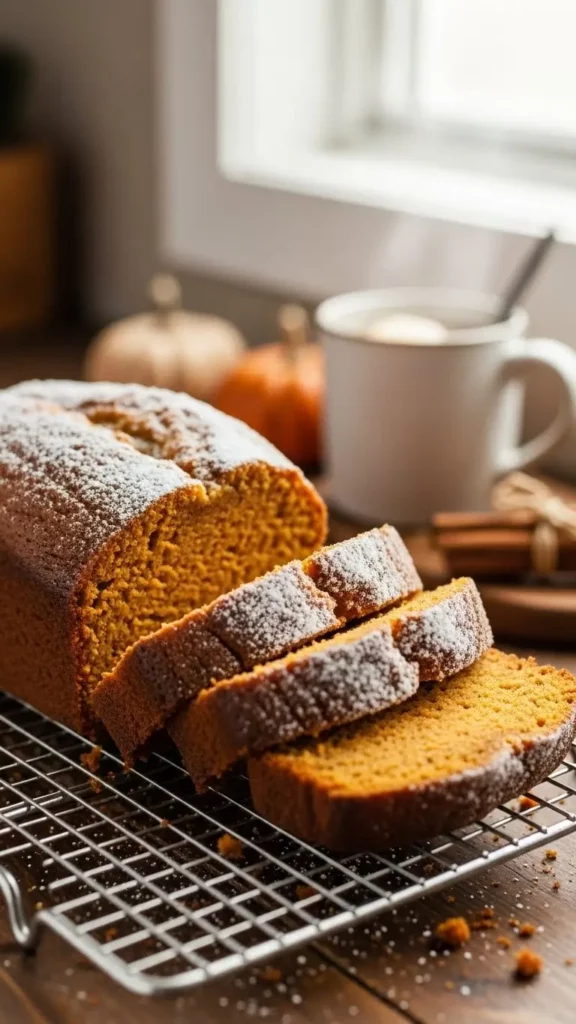
Step-3: Mix the Dry Ingredients
In a medium bowl, whisk together the flour, baking powder, and baking soda.
Add the salt, cinnamon, nutmeg, and ginger to the bowl.
Whisk vigorously for 30 seconds to evenly distribute all spices.
The mixture should appear uniform in color with no streaks.
Set this bowl aside while you prepare the wet ingredients.
Step-4: Cream Butter and Sugar
Place the softened butter in a large mixing bowl.
Beat with an electric mixer on medium speed for 2 minutes until fluffy.
Add the granulated sugar gradually while mixing.
Increase speed to medium-high and beat for 4-5 minutes.
The mixture should become pale, light, and noticeably fluffy.
Scrape down the sides of the bowl with a rubber spatula.
The sound of the mixer should become quieter as air incorporates.
Step-5: Add Eggs One at a Time
Crack the first egg into the butter mixture.
Beat on medium speed until completely incorporated, about 30 seconds.
Scrape down the bowl before adding the next egg.
Repeat this process with each remaining egg individually.
The mixture may look slightly curdled, which is perfectly normal.
Beat for one additional minute after the last egg until smooth.
Step-6: Incorporate Sweet Potato and Vanilla
Add the cooled sweet potato puree to the butter mixture.
Pour in the vanilla extract.
Beat on low speed just until the sweet potato is fully blended.
The batter should turn a beautiful orange color.
Scrape down the sides and bottom of the bowl thoroughly.
Mix for 10 more seconds to ensure even distribution.
Step-7: Alternate Dry and Wet Ingredients
Add one-third of the flour mixture to the batter.
Mix on low speed just until the flour disappears.
Pour in half of the milk.
Mix until just combined, about 10 seconds.
Add another third of the flour mixture and mix briefly.
Add the remaining milk and mix.
Add the final portion of flour.
Mix on low speed only until no flour streaks remain.
Do not overmix or the cake will become tough.
Step-8: Bake the Cake
Pour the batter into your prepared loaf pan.
Smooth the top gently with a spatula.
Tap the pan on the counter twice to release air bubbles.
Place in the preheated oven on the center rack.
Bake for 60-70 minutes without opening the oven door.
The top should be deeply golden and spring back when touched.
Insert a toothpick into the center at the 60-minute mark.
It should come out with just a few moist crumbs attached.
Step-9: Cool the Cake
Remove the pan from the oven immediately.
Place it on a cooling rack.
Let the cake cool in the pan for exactly 15 minutes.
Run a butter knife around the edges to loosen.
Invert the pan onto the cooling rack.
Remove the pan and peel off the parchment paper.
Flip the cake right-side up.
Allow it to cool completely, about 2 hours, before glazing or slicing.
Step-10: Make the Optional Glaze
Sift the powdered sugar into a medium bowl to remove lumps.
Add the milk, vanilla extract, and salt.
Whisk vigorously for 1 minute until completely smooth.
The glaze should be thick but pourable.
If too thick, add milk 1 teaspoon at a time.
If too thin, add more powdered sugar 1 tablespoon at a time.
Step-11: Glaze and Serve
Place the completely cooled cake on a serving platter.
Pour the glaze slowly over the top center of the cake.
Let it drip naturally down the sides.
Use the back of a spoon to guide the glaze if desired.
Allow the glaze to set for 15-20 minutes before slicing.
Cut with a sharp serrated knife using a gentle sawing motion.
Wipe the knife between slices for clean cuts.
Related Recipes You’ll Love to Try
- Easy Keto Coconut Flour Cookies That Taste Like a Treat, Not a Diet
- Vegan Coconut Chocolate Brownies: Rich, Fudgy & Completely Dairy-Free
- Sweet, Simple & No-Bake: Peanut Butter Banana Bites You’ll Make on Repeat
- Gluten-Free Quinoa Protein Bars: Clean, Crunchy & Energy-Packed
Nutritional Information
Per Serving (1 slice without glaze):
- Calories: 385
- Protein: 5g
- Fat: 17g
- Carbohydrates: 54g
- Sodium: 220mg
- Fiber: 2g
- Sugar: 35g
- Vitamin A: 95% DV
Note: Nutritional values are approximate and vary based on specific ingredients used.
Tips for Success
- Use Room Temperature Ingredients: Cold eggs and milk can cause the batter to curdle and result in a dense texture instead of light and fluffy.
- Don’t Overmix: Once you add the flour, mix only until just combined to prevent developing too much gluten, which makes the cake tough.
- Measure Sweet Potato Accurately: Too much puree makes the cake gummy while too little makes it dry, so measure exactly one cup after mashing.
- Test for Doneness Properly: The toothpick should have moist crumbs, not wet batter, as the cake continues cooking slightly while cooling.
- Cool Completely Before Glazing: Warm cake causes the glaze to melt and soak in rather than set beautifully on top.
- Store at Room Temperature: This cake actually tastes better on day two as the flavors meld, so make it ahead for gatherings.
- Rotate the Pan: If your oven has hot spots, rotate the pan 180 degrees at the 45-minute mark for even baking.
Common Mistakes to Avoid
- Using Cold Sweet Potato Puree: Adding cold puree to room temperature butter causes the mixture to seize and creates an uneven texture throughout the cake.
- Skipping the Creaming Step: Rushing the butter and sugar creaming process results in a dense, heavy cake without the characteristic pound cake texture.
- Opening the Oven Too Early: Temperature fluctuations during the first 45 minutes can cause the cake to sink in the middle or bake unevenly.
- Using Canned Sweet Potato with Additives: Canned sweet potato with added syrup or spices throws off the recipe balance, so always use plain puree or fresh.
- Cutting the Cake While Warm: Slicing before the cake cools completely causes it to crumble and fall apart rather than cut into neat slices.
- Overfilling the Pan: Filling the pan more than two-thirds full causes overflow, so if you have extra batter, make muffins instead.
- Using Dark Pans: Dark pans absorb more heat and can cause the edges to overbake while the center stays raw, so use light-colored pans.
Creative Serving Ideas
- Cream Cheese Frosting Pairing: Spread softened cream cheese frosting between two slices for an indulgent layer cake experience.
- Warm with Butter: Toast thick slices in a skillet with butter until golden and crispy on the outside while remaining soft inside.
- Ice Cream Sandwich: Slice the cake horizontally and fill with cinnamon or vanilla ice cream for a unique frozen dessert.
- Maple Pecan Topping: Drizzle with pure maple syrup and sprinkle with toasted pecans for a Southern-inspired breakfast treat.
- Whipped Cream and Berries: Serve with lightly sweetened whipped cream and fresh berries for a lighter, elegant dessert presentation.
- Bread Pudding Transformation: Cube day-old cake and use it to make a decadent sweet potato bread pudding with custard.
- Trifle Layers: Cut into cubes and layer with vanilla pudding and whipped cream in glasses for individual trifle desserts.
- Coffee Accompaniment: Slice thin and serve alongside morning coffee or afternoon tea as a refined snack that pairs beautifully with hot beverages.
Frequently Asked Questions
Can I Use Canned Sweet Potato Puree?
Yes, you can use canned sweet potato puree as long as it contains only sweet potatoes with no added sugar or spices.
Make sure to drain any excess liquid before measuring.
The texture may be slightly different from fresh, but the cake will still turn out delicious.
How Do I Store This Cake?
Store the cake tightly wrapped in plastic wrap or in an airtight container at room temperature for up to 5 days.
You can also refrigerate it for up to one week, though the texture is best at room temperature.
For longer storage, wrap well and freeze for up to 3 months.
Can I Make This in a Bundt Pan Instead?
Absolutely, a 10-cup Bundt pan works wonderfully for this recipe.
Generously grease and flour every crevice of the pan to ensure easy release.
The baking time will be similar, around 60-65 minutes, but always test with a toothpick.
Why Did My Cake Sink in the Middle?
A sunken center usually results from opening the oven door too early, underbaking, or too much leavening.
Make sure your oven temperature is accurate with an oven thermometer.
Avoid opening the door before 45 minutes, and bake until a toothpick comes out with just moist crumbs.
Can I Reduce the Sugar?
You can reduce the sugar by up to 1/4 cup without significantly affecting texture, though the cake will be less sweet.
Keep in mind that sugar contributes to moisture and tenderness, not just sweetness.
Going below 1 3/4 cups may result in a drier, less tender cake.
What’s the Best Way to Get Smooth Sweet Potato Puree?
For the smoothest puree, pass the mashed sweet potato through a fine-mesh sieve or use a food processor.
Small lumps will create pockets of dense texture in the finished cake.
Taking the extra time to ensure smoothness makes a noticeable difference in the final product.
Can I Add Mix-Ins Like Nuts or Chocolate Chips?
Yes, you can fold in up to 1 cup of chopped pecans, walnuts, or chocolate chips after mixing the batter.
Toss them in a tablespoon of flour first to prevent sinking.
Keep in mind that add-ins will slightly change the texture and may require a few extra minutes of baking time.
Is This Cake Good for Freezing?
This cake freezes exceptionally well, making it perfect for advance preparation.
Wrap individual slices or the whole cake tightly in plastic wrap, then aluminum foil.
Thaw overnight in the refrigerator or at room temperature for a few hours before serving.