Our site contains ads and uses Amazon affiliate links. We may earn a small commission at no extra cost to you. We know ads can be distracting, and we’re sorry for any inconvenience they cause. It helps us keep the site running. Thanks for your understanding and supporting us!
📊Recipe at a Glance
- Prep Time: 10 minutes
- Cook Time: 0 minutes
- Total Time: 10 minutes
- Servings: 12 to 16 servings
- Diet Type: Vegetarian
- Cuisine: American
Do you remember licking peanut butter off a spoon as a kid and wishing it could taste even better?
That memory inspired this frosting. It captures that same comforting, nutty flavor but transforms it into something truly spectacular.
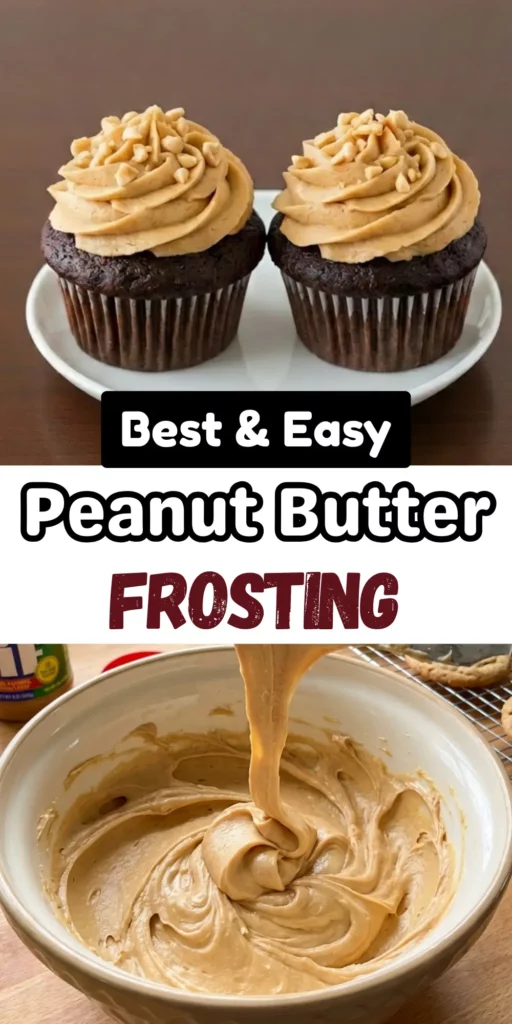
This frosting is thick, fluffy, and incredibly smooth. It takes just 10 minutes and five pantry staples to make.
Once you try it, plain buttercream will never feel exciting again. Your cakes and cupcakes deserve something this good.
Why This Recipe Stands Out
- Ready in 10 minutes: No cooking, no heating, no complicated steps required.
- Only 5 simple ingredients: Everything is already sitting in your pantry right now.
- Pipeable and spreadable: The texture is firm enough to pipe but soft enough to spread effortlessly.
- Perfectly balanced flavor: It is nutty, sweet, and salty all at once, without being overpowering.
- Completely customizable: You can make it thicker or thinner with just a small tweak.
- No chill time needed: It is ready to use the moment you finish mixing.
- Crowd-pleasing every time: It pairs beautifully with chocolate, vanilla, banana, and spice cakes.
Ingredients You’ll Need
- 1 cup (226g) unsalted butter, softened to room temperature
- 1 cup (245g) creamy peanut butter (such as Jif or Skippy)
- 3 to 4 cups (360g to 480g) powdered sugar, sifted
- 1 teaspoon pure vanilla extract
- 1/2 teaspoon salt
- 3 to 4 tablespoons whole milk or heavy cream
Tools to Use
- Stand mixer or handheld electric mixer
- Large mixing bowl
- Rubber spatula
- Sifter or fine mesh sieve
- Measuring cups and spoons
- Piping bag and tip (optional)
- Offset spatula or butter knife
How to Make the Peanut Butter Frosting
Step-1: Soften Your Butter Properly
Take your butter out of the refrigerator at least 30 to 60 minutes before you begin.
Softened butter should leave a clear indent when pressed with a finger, but it should not feel greasy or melted.
This step is the most important one in the entire recipe.
Cold butter will result in lumpy, grainy frosting that does not mix smoothly.
Step-2: Beat the Butter and Peanut Butter Together
Place your softened butter and creamy peanut butter into a large mixing bowl.
Beat together using a stand mixer or handheld mixer on medium speed for about 2 minutes.
The mixture should look pale, smooth, and fluffy at this stage.
Scrape down the sides and bottom of the bowl using a rubber spatula.
Step-3: Add the Vanilla and Salt
Add the vanilla extract and salt to the bowl.
Mix on low speed for about 10 seconds until just combined.
The salt is essential as it deepens the peanut butter flavor and cuts through the sweetness.
Step-4: Add the Powdered Sugar Gradually
Add half of the sifted powdered sugar to the bowl first.
Mix on low speed to avoid a sugar cloud exploding all over your kitchen.
Once the sugar is incorporated, add the remaining powdered sugar gradually.
Beat on medium speed for about 1 to 2 minutes until the frosting is thick and combined.
Scrape down the sides and bottom of the bowl again.
Step-5: Add Milk to Adjust Consistency
Add milk or heavy cream one tablespoon at a time.
Mix on low speed after each addition and check the texture.
Stop adding liquid once the frosting reaches a smooth, spreadable, and pipeable consistency.
For a thicker frosting, use less liquid or add a little more powdered sugar.
For a thinner glaze-like frosting, simply add more milk one tablespoon at a time.
Step-6: Final Mix and Use
Increase the mixer speed to medium-high for a final 30 seconds.
This final beat makes the frosting extra light and fluffy.
Spread immediately onto fully cooled cakes, cupcakes, or brownies using an offset spatula.
Alternatively, transfer to a piping bag fitted with your favorite tip for decorating.
Related Recipes You’ll Love to Try
- Sourdough Discard Pizza Dough Recipe: Chewy, Crispy, and Full of Flavor
- Sweet and Spiced Carrot Cake Bars with Cream Cheese Frosting
- Soft Sourdough Discard Pretzels: Chewy Homemade Snack
- Dill Pickle Cupcakes with Herby Frosting: Savory Party Appetizer
Nutritional Information
Estimated values per serving (based on 12 servings)
| Nutrient | Amount per Serving |
|---|---|
| Calories | ~370 kcal |
| Protein | ~6g |
| Total Fat | ~25g |
| Carbohydrates | ~34g |
| Sodium | ~195mg |
Note: Nutritional values will vary depending on specific ingredient brands and portion sizes.
Tips for Success
- Always use room temperature butter: Cold butter will never cream properly and will leave your frosting lumpy.
- Sift the powdered sugar: This one small step eliminates all clumps and guarantees a silky smooth texture.
- Use processed creamy peanut butter: Brands like Jif or Skippy are specifically homogenized, which means they blend seamlessly without separating.
- Add liquid slowly: It is much easier to add a splash more milk than to fix frosting that has become too runny.
- Do not frost a warm cake: Always wait until your baked goods are completely cool. Warm surfaces will melt your frosting immediately.
- Scrape the bowl often: Butter and peanut butter love to hide at the bottom of the bowl and cause uneven mixing.
- Taste and adjust: If it is too sweet, add a small pinch more salt. If it is not nutty enough, stir in one more tablespoon of peanut butter.
- Re-whip after refrigerating: If you made the frosting ahead of time and chilled it, let it come to room temperature and then beat it briefly before using.
Common Mistakes to Avoid
- Using natural or organic peanut butter. Natural peanut butter contains excess oil that separates during mixing and creates a greasy, unstable frosting.
- Starting with cold butter. This is the number one mistake. It creates hard, lumpy chunks that never fully incorporate.
- Dumping all the powdered sugar in at once. This causes clumping and uneven sweetness throughout the frosting.
- Over-mixing on high speed. Too much air trapped in the frosting causes large air bubbles, which look messy when piped.
- Using salted butter without adjusting salt. This can make your frosting unpleasantly salty. Stick to unsalted butter and control the salt yourself.
- Frosting a warm cake. The heat breaks down the frosting structure and causes it to slide off and melt.
- Not scraping the bowl. Ingredients collect at the bottom and on the sides, leading to an inconsistently mixed frosting.
- Adding too much liquid too fast. A few extra drops can quickly turn a perfect frosting into a soupy mess that is very hard to fix.
Creative Serving Ideas
- Classic chocolate cake pairing: Spread a thick, generous layer over a dark chocolate cake for the ultimate flavor combination.
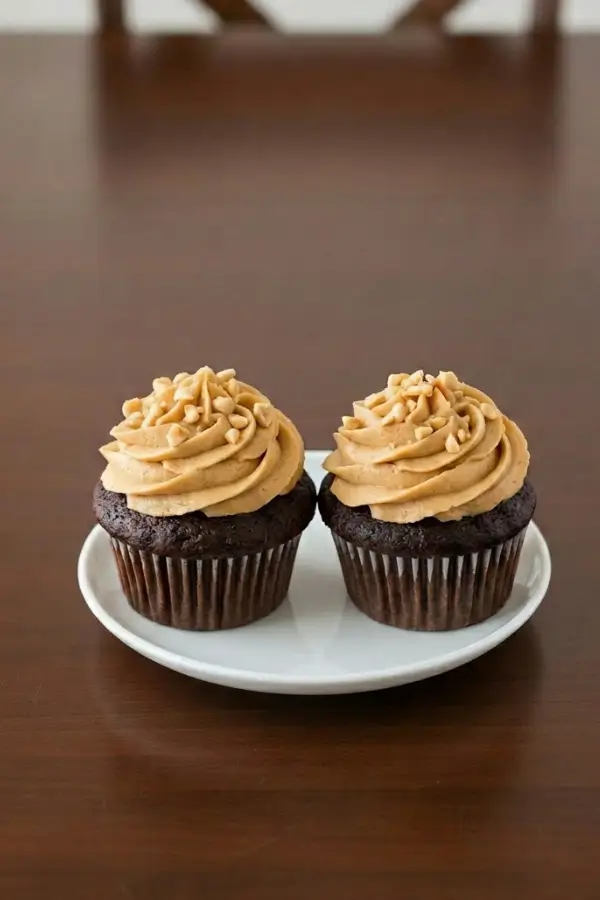
- Chocolate cupcakes: Pipe tall, beautiful swirls on top of rich chocolate cupcakes for a bakery-worthy finish.
- Brownies: Spread a thin, glossy layer over fudgy brownies straight from the pan and let it set before slicing.
- Banana bread: Slather a generous spoonful over a warm slice of banana bread for an indulgent breakfast treat.
- Sandwich cookies: Pipe a dollop between two chocolate wafer cookies for a homemade peanut butter sandwich cookie.
- Pancakes and waffles: Use it in place of syrup for a next-level weekend breakfast that everyone will love.
- Stuffed crepes: Fill thin crepes with a spoonful of frosting and fresh sliced bananas for an elegant dessert.
- Pretzel dip: Thin it out slightly with extra milk and serve it as a dipping sauce for salty pretzels or fruit slices.
Frequently Asked Questions
Can I Use Natural Peanut Butter in This Frosting?
It is not recommended for the best results.
Natural peanut butter contains excess separated oil that can cause the frosting to become greasy or unstable.
Stick to processed brands like Jif or Skippy for a smooth, reliable texture every time.
How do I Store Leftover Peanut Butter Frosting?
Store it in an airtight container in the refrigerator for up to one week.
Before using it again, let it sit at room temperature for 20 to 30 minutes.
Then re-whip it briefly with a mixer to restore its fluffy, smooth texture.
Can I Freeze Peanut Butter Frosting?
Yes, this frosting freezes very well for up to 3 months.
Place it in a sealed, airtight freezer-safe container and label it with the date.
Thaw overnight in the refrigerator, bring to room temperature, and then beat it briefly before using.
How Much Frosting does This Recipe Make?
This recipe makes enough to generously frost 12 to 16 cupcakes.
It will also cover a single 9×13-inch sheet cake or a two-layer 8-inch or 9-inch round cake.
For a three-layer cake, double the recipe to make sure you have plenty.
Why is My Frosting Grainy or Lumpy?
This usually happens when the butter was too cold when you started mixing.
Always bring butter fully to room temperature before beginning.
Sifting your powdered sugar before adding it also helps prevent any lumps from forming.
Can I Make This Frosting Without a Mixer?
You can make it by hand, but it requires a lot of vigorous whisking.
A hand or stand mixer is strongly recommended for the lightest, fluffiest result.
Without a mixer, the frosting may not become as smooth or airy.
Is This Frosting Good for Piping?
Yes, this frosting pipes beautifully straight out of the bowl.
Its firm yet creamy texture holds shapes like rosettes and swirls very well.
If you want an even stiffer frosting for detailed decorations, simply add an extra 1/2 cup of powdered sugar.