Our site contains ads and uses Amazon affiliate links. We may earn a small commission at no extra cost to you. We know ads can be distracting, and we’re sorry for any inconvenience they cause. It helps us keep the site running. Thanks for your understanding and supporting us!
📊Recipe at a Glance
- Prep Time: 20 minutes
- Cook Time: 15 minutes
- Total Time: 35 minutes
- Servings: Frosts one 2-3 layer cake or 24 cupcakes
- Diet Type: Vegetarian, Gluten-Free
- Cuisine: Italian-American
Not all frostings are created equal.
American buttercream is sweet. French buttercream is rich.
But Italian Buttercream Frosting?
It is in a league of its own. Velvety, light, and perfectly balanced, this is the frosting that makes people stop mid-bite and ask, “Wait, what IS this?”
If you have ever wished your homemade cakes tasted like they came from a fancy bakery, this recipe is exactly what you have been searching for.
Why This Recipe Stands Out
- Not Overly Sweet: Unlike American buttercream, which can be cloyingly sweet and even gritty if sugar is not fully incorporated, Italian meringue buttercream uses cooked sugar syrup for a smooth, refined sweetness with no risk of grittiness at all.
- Incredibly Stable: Italian meringue buttercream is the most stable of the meringue buttercreams and holds up to heat better than Swiss meringue.
- Pipes Like a Dream: Italian buttercream is very easy to work with and pipes beautifully.
- Endlessly Versatile: You can flavor it with vanilla, chocolate, lemon, espresso, fruit reductions, and more.
- Professionally Tested: This is the same buttercream used by executive pastry chefs in professional bakeries.
- Safe to Eat: The hot sugar syrup heats the egg whites above the 160°F threshold needed for safe consumption as it is streamed into the bowl.
- Stores Well: You can store Italian Meringue Buttercream at room temperature for 2-3 days, refrigerated for up to 2 weeks, or frozen for up to 3 months.
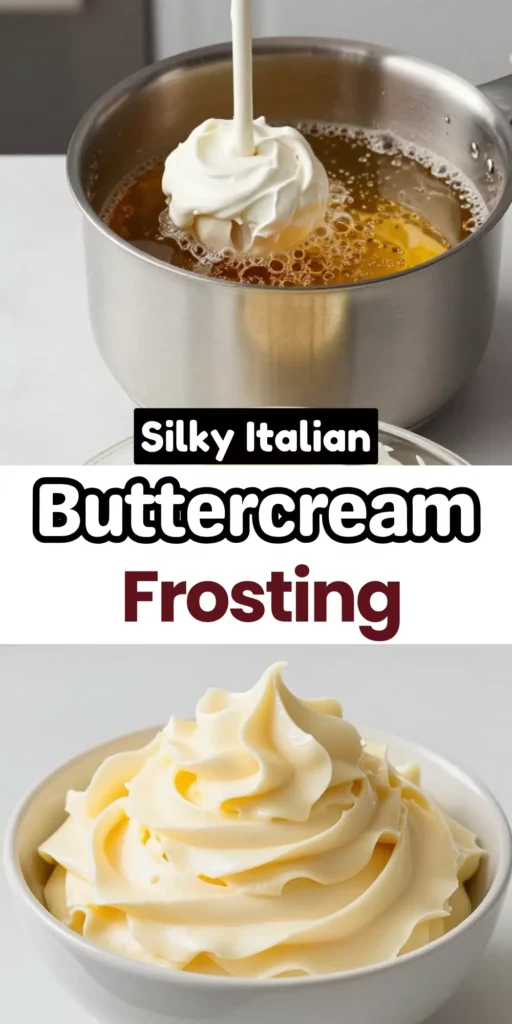
Ingredients You’ll Need
For the Sugar Syrup:
- 1 and 1/4 cups (250g) granulated sugar
- 1/3 cup (80ml) water
For the Meringue:
- 5 large egg whites, at room temperature
- 1/4 teaspoon cream of tartar
- 1 pinch of fine salt
- 3 tablespoons (37g) granulated sugar (reserved for whipping egg whites)
For the Buttercream:
- 1 and 1/2 cups (340g) unsalted butter, softened to room temperature and cut into tablespoon-sized pieces
- 2 teaspoons pure vanilla extract
- 1 pinch of fine salt (optional, to taste)
Tools to Use
- Stand mixer with whisk attachment
- Small heavy-bottomed saucepan
- Candy thermometer or digital instant-read thermometer
- Heat-proof mixing bowl
- Rubber spatula
- Measuring cups and spoons
- Kitchen scale (recommended)
- Pastry brush and small cup of water (to brush down sugar crystals)
- Offset spatula or piping bags (for frosting)
How to Make the Italian Buttercream Frosting
Step-1: Prepare Your Equipment and Butter
Wipe the inside of your stand mixer bowl with a paper towel dampened with a few drops of white vinegar or lemon juice.
This removes any trace of grease that could prevent the egg whites from whipping properly.
Cut your softened butter into tablespoon-sized pieces and set aside at room temperature.
The butter should be soft but still cool to the touch, not melted or greasy.
Step-2: Start the Sugar Syrup
Combine the granulated sugar (minus the reserved 3 tablespoons) and water in a small heavy-bottomed saucepan.
Stir gently just until the sugar is moistened.
Place the saucepan over medium-high heat.
Do not stir the syrup once it begins to boil, as stirring can cause sugar crystals to form.
Clip your candy thermometer to the side of the pan.
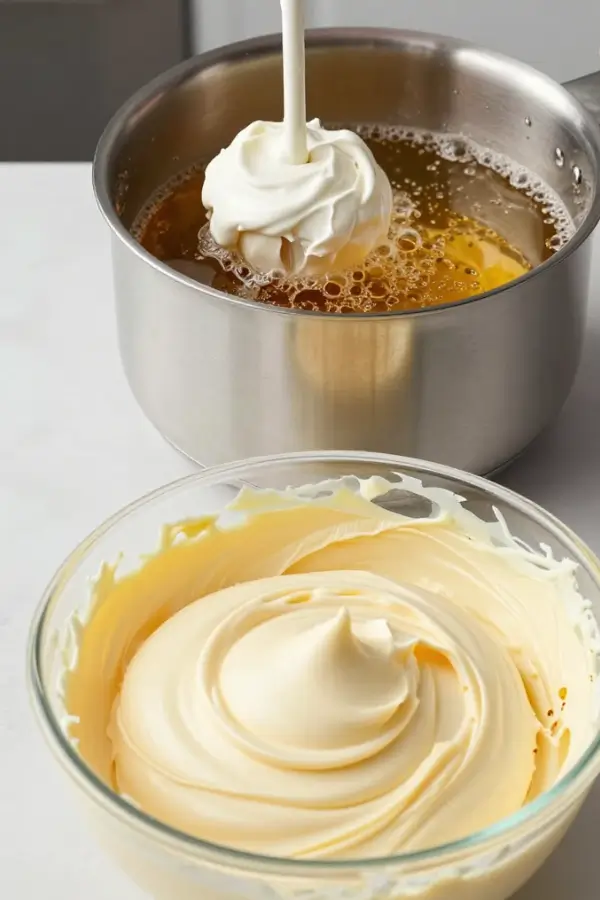
Step-3: Whip the Egg Whites
Place the egg whites, cream of tartar, and salt in your prepared stand mixer bowl.
Fit the mixer with the whisk attachment.
Begin whipping the egg whites on medium speed until they become foamy.
Gradually sprinkle in the reserved 3 tablespoons of granulated sugar.
Increase the speed to medium-high and whip until soft peaks form.
The goal is to have the egg whites reach soft peaks just as the syrup approaches the correct temperature.
Step-4: Cook the Sugar Syrup to the Right Temperature
Continue cooking the sugar syrup over medium-high heat.
Heat the sugar syrup to between the soft ball and firm ball stage, which is between 234-250°F (112-121°C).
For ideal results, aim for 240°F (115°C).
Watch the syrup carefully during the last few minutes, as the temperature climbs quickly.
Step-5: Stream the Hot Syrup into the Meringue
With the mixer running on medium-high speed, very slowly pour the hot sugar syrup in a thin, steady stream down the side of the mixer bowl.
Pour the syrup away from the whisk attachment to avoid splattering.
Do not let the syrup touch the whisk, or it will fling outward and harden on the bowl’s sides.
Once all the syrup is added, increase the mixer speed to high.
Step-6: Whip Until the Meringue is Cool
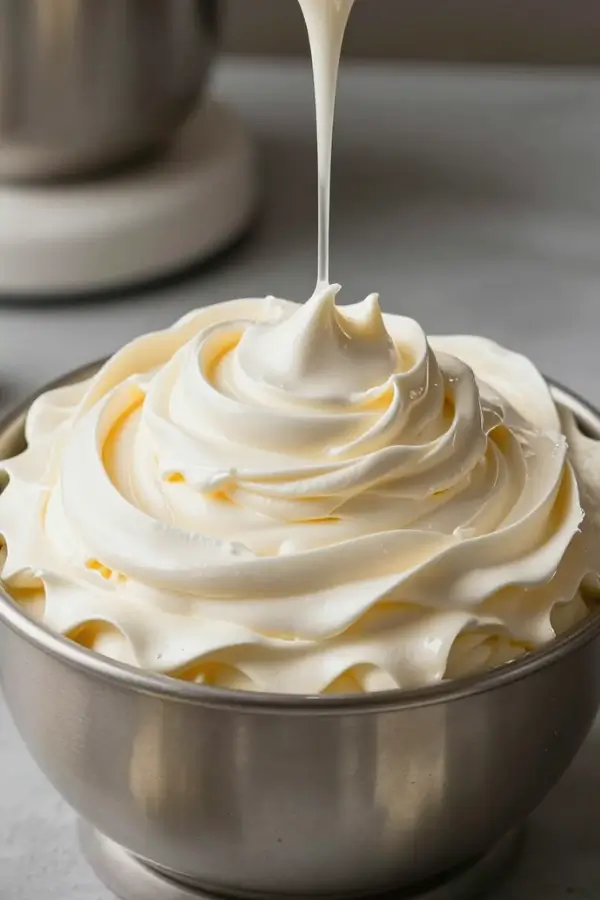
Whip the meringue on high speed for approximately 8-10 minutes.
The meringue should be glossy, stiff, and bright white.
Most importantly, the outside of the mixer bowl should feel completely cool to the touch before you add any butter.
Adding butter to a warm meringue will cause the frosting to melt and turn soupy.
Step-7: Add the Butter
Reduce the mixer speed to medium.
Begin adding the softened butter, one tablespoon at a time.
Wait for each piece to fully incorporate before adding the next.
Do not rush this step.
The frosting will look curdled and broken at this stage. That is completely normal.
Keep mixing, and it will come together into a silky, smooth buttercream.
Step-8: Add Vanilla and Finish
Once all the butter has been incorporated and the frosting is smooth and creamy, add the vanilla extract.
Mix on medium-high for 1-2 more minutes until everything is beautifully combined.
Taste and add a small pinch of salt if desired.
Your Italian Buttercream Frosting is now ready to use.
Related Recipes You’ll Love to Try
- Easy Cool Whip Cream Cheese Frosting: Beats Buttercream Every Time
- Ermine Frosting: The Silky, Old-Fashioned Buttercream You Need to Try
- Foolproof Silky Cream Cheese Frosting for Cakes and Cupcakes
- Best Sugar Cookie Frosting for Perfect Cookies Every Time
Nutritional Information
Estimated per serving (based on 24 servings)
| Nutrient | Amount Per Serving |
|---|---|
| Calories | ~203 kcal |
| Protein | ~1g |
| Fat | ~15g |
| Carbohydrates | ~17g |
| Sodium | ~133mg |
Note: Nutritional values are estimates and may vary based on exact ingredients used.
Tips for Success
- Use Room Temperature Butter: Butter that is too cold will cause the frosting to curdle. Butter that is too warm will make it soupy. Aim for butter that is soft but still holds its shape when pressed.
- Keep the Bowl Grease-Free: Even a tiny trace of fat in your bowl will prevent egg whites from whipping correctly. Wipe it down with vinegar or lemon juice before you start.
- Do Not Stir the Boiling Syrup: Once the sugar syrup begins to boil, leave it alone. Stirring can cause the sugar to crystallize.
- Watch Both the Syrup and Meringue Together: Ideally, you want the egg whites to reach soft peaks just as the syrup comes to temperature. Timing these together takes practice.
- Use a Candy Thermometer: Do not skip this tool. Accurate temperature is everything in this recipe.
- Keep Mixing If It Looks Broken: If your frosting looks curdled or soupy, do not panic. Keep the mixer running. Almost every problem with Italian buttercream can be solved by continued mixing and adjusting the temperature slightly.
- Add Flavorings Last: Add flavorings like vanilla, fruit reductions, or other extracts as the very last step for best results.
- Use Gel Food Coloring: If you want to color your buttercream, gel food coloring works best because it will not thin the product.
Common Mistakes to Avoid
- Adding Butter Too Quickly: Dumping all the butter in at once will deflate the meringue and ruin the texture. Add it one tablespoon at a time, patiently.
- Adding Butter to a Warm Meringue: This is the most common mistake. If the bowl feels even slightly warm, keep whipping until it is completely cool.
- Adding Powdered Sugar to Fix Problems: Though it is very tempting to reach for powdered sugar when Italian meringue buttercream goes wrong, this is a mistake. By adding more sugar, you completely change the recipe and will not end up with the perfect silky, smooth buttercream.
- Letting the Syrup Touch the Whisk: Pour the syrup along the side of the bowl in a slow, steady stream. Syrup hitting the whisk will fling outward and harden immediately.
- Stopping Too Soon: Italian, Swiss, and French buttercreams require a lot of mixing, up to twenty minutes. Keep mixing even when the frosting looks broken or curdled.
- Using Egg Yolk-Contaminated Whites: Even one drop of yolk will prevent your egg whites from whipping. Separate eggs carefully and always one at a time into a separate small bowl before adding to the mixer.
- Using Salted Butter: Salted butter can taste overpowering in this recipe. Always use unsalted butter.
- Not Letting Refrigerated Frosting Come to Room Temperature: If using stored frosting, always bring it to room temperature and re-whip it before using. Skipping this step leads to lumpy, uneven results.
Creative Serving Ideas
- Classic Layer Cake: Use it to frost and fill a vanilla, lemon, or chocolate layer cake for an elegant, professional finish.
- Cupcakes: Pipe tall, gorgeous swirls onto cupcakes using a large star tip for a bakery-quality presentation.
- Macaron Filling: Italian meringue buttercream is also used to make macarons, where its stability makes it an ideal filling.
- Naked Cake Style: Apply a thin, semi-transparent coat over a rustic naked cake and let the layers peek through beautifully.
- Chocolate Variation: To make a chocolate version, add 8 ounces of semisweet or dark chocolate that has been melted and cooled slightly after all the butter has been incorporated.
- Lemon or Citrus Flavor: Stir in 2-3 tablespoons of lemon curd or a teaspoon of citrus zest for a bright, refreshing twist.
- Coffee Flavor: Dissolve 1 tablespoon of espresso powder in 2 teaspoons of hot water, let it cool completely, and mix it in at the end for a sophisticated mocha buttercream.
- Celebration Cakes: Tint with gel food coloring and pipe borders, rosettes, and decorations for birthdays, weddings, or special occasions.
Frequently Asked Questions
Why Does My Italian Buttercream Look Curdled?
Curdled buttercream almost always means there is a temperature mismatch between the meringue and the butter.
Italian meringue buttercream may curdle because of temperature differences between the butter and the Italian meringue.
Ideally, when you start to incorporate butter into the meringue, both the butter and the meringue should be at the same temperature.
Simply keep mixing, and it will usually smooth out on its own.
Can I Make Italian Buttercream Ahead of Time?
Yes, absolutely.
You can store Italian Meringue Buttercream at room temperature for 2-3 days, refrigerated for up to 2 weeks, or frozen for up to 3 months.
When ready to use, bring it to room temperature and re-whip until silky and smooth again.
Is Italian Buttercream Safe to Eat?
Yes, it is safe.
The hot sugar syrup heats the egg whites above the 160°F threshold needed for cooking as it is streamed into the bowl.
This makes the frosting safe for most people, including children.
What Is the Difference Between Italian and Swiss Meringue Buttercream?
Both are silky, less-sweet meringue-based frostings.
The key difference is in how the sugar is incorporated: Swiss meringue heats the egg whites and sugar together over a double boiler, while Italian meringue uses a separately cooked hot sugar syrup poured into the whipping egg whites.
Italian meringue buttercream is the most stable of the two and holds up to heat better than Swiss meringue.
My Frosting is Too Soupy. How Do I Fix It?
This usually means the meringue or the butter was too warm when combined.
Place the mixer bowl in the refrigerator for 10-15 minutes, then return it to the mixer and whip again on medium-high speed.
Repeat if necessary until the frosting firms up into a smooth, spreadable consistency.
Can I Color Italian Buttercream Frosting?
Yes, you can.
Gel food coloring works best because it will not thin the frosting the way liquid food coloring can.
Add gel coloring a little at a time after all the butter and flavorings have been incorporated, then mix until the color is even.
How Much Frosting Does This Recipe Make?
This recipe makes enough buttercream to frost a 2-3 tiered cake or 24 cupcakes.
For larger cakes or more elaborate decorating, you can double the recipe easily.
Use a 6-quart or larger stand mixer bowl if making a double batch.